
Florida School Bus Crash Claims: Proof Checklist for Injured Passengers
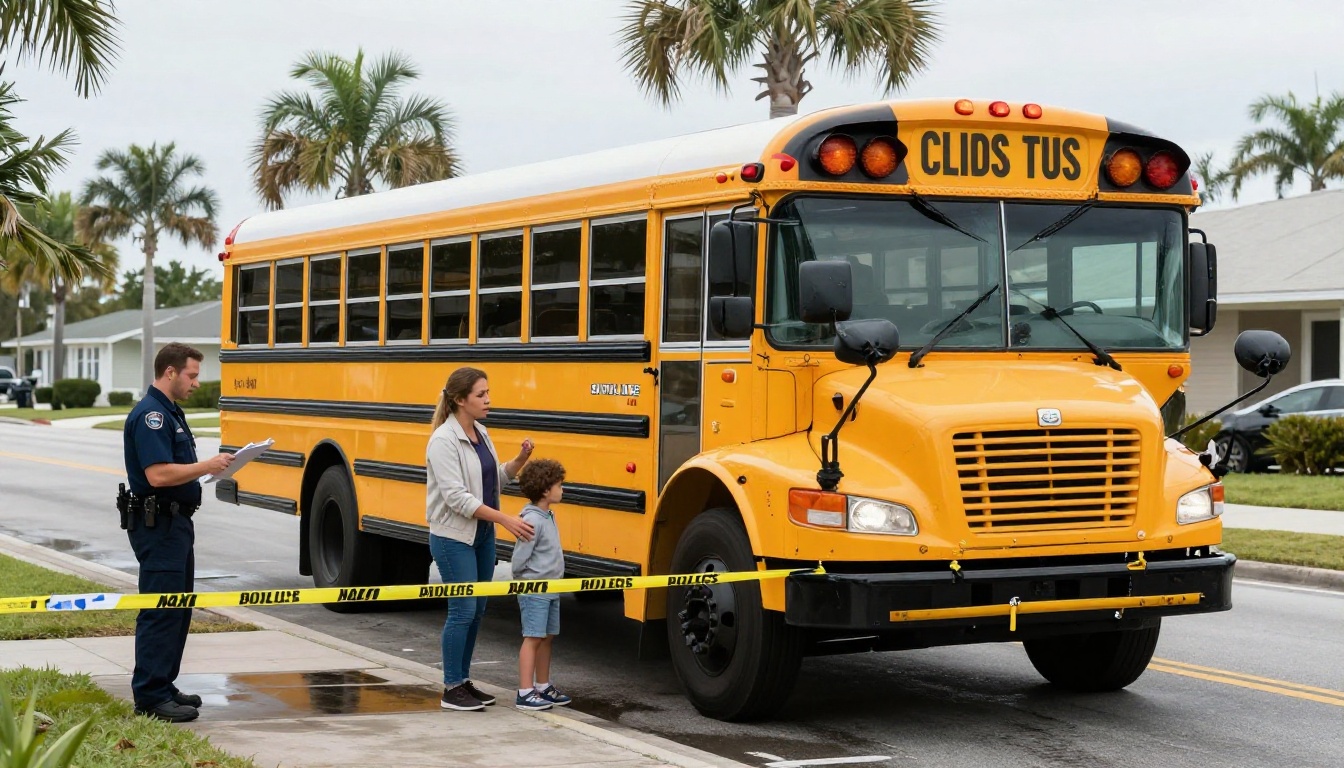
A school bus crash can turn a normal morning into a blur of sirens, calls, and missing facts. If your child, or any other passenger, was hurt, the claim may rise or fall on proof gathered in the first few days.
As of April 2026, reported Florida school bus crashes this year have included rear-end collisions in Alachua County and Lee County. Both were first described as minor-injury events. That’s a good reminder: “minor” at the scene can still mean pain, follow-up care, missed school, and missed work for parents.
Much of the best evidence sits with the school district, bus company, police, and insurers. So the goal is simple, lock down the facts before they fade.
Start with the proof that disappears first
Bus crash scenes change fast. Children leave in another bus, damaged vehicles get moved, and camera footage may get recorded over. Because of that, the first day matters more than most families think.
Start with medical care. Even if symptoms seem mild, get the passenger checked out and follow every discharge instruction. Headaches, neck pain, back pain, and anxiety often show up later. Early records tie those symptoms to the crash.
Next, save the basic facts in one place. Write down the bus number, school district, date, time, route, and where the passenger was sitting. Seat location can matter. A rider near the rear may move very differently than a rider near the front in a rear-end impact.
Try to gather these items right away:
- Photos of visible injuries, torn clothing, broken glasses, and anything else that changed after the crash.
- The crash report number, the responding agency, and the names of any officers or school staff.
- Names and phone numbers for witnesses, including other parents or passengers.
- A short timeline from the injured passenger, written in plain words before memories blur.
- Copies of school notices, bus company messages, and any incident report sent home.
Florida’s school bus safety guidance helps show the rules drivers must follow around stopped buses. Also, the state’s student transportation rule for school districts shows that school transportation is part of a regulated system, not a casual service.
In many bus injury cases, the fight isn’t over whether the crash happened. It’s over which records survive long enough to prove it.
If the bus was hit by more than one vehicle, or pushed into another car, fault can get messy fast. In that setting, this Florida multi-car accident claims guide helps explain why sequence proof matters so much.
The records that turn a bus injury claim into a strong case
A passenger claim needs more than a story. It needs a paper trail that shows who caused the crash, what injuries followed, and how those injuries changed daily life.
This quick table shows the proof that usually matters most:
| Proof to preserve | Why it matters | Who usually has it |
|---|---|---|
| Crash report and 911 records | They set the first timeline and identify parties | Police agency |
| Bus video or onboard camera files | They may show impact, seat location, and passenger movement | School district or bus contractor |
| Medical records and bills | They link symptoms to the crash and show treatment | Hospitals, doctors, therapists |
| Passenger roster or route records | They confirm who was on the bus | School or transportation office |
| Bus inspection and maintenance records | They may show brake, tire, or equipment issues | District or contractor |
| Parent wage and expense records | They support time missed from work and out-of-pocket costs | Family, employer |
The main point is simple. Some of the best proof is not in your hands, so written requests matter early.
Ask for bus video fast. Many systems keep footage for a short time. Also ask that the bus be preserved if the cause of the crash is still unclear. Federal guidance on bus accident investigation practices shows why operators and investigators focus on records such as inspections, event details, and post-crash review.
Medical proof deserves extra care. Tell each provider every body part that hurts. Don’t wait until the second visit to mention dizziness, shoulder pain, or numbness. Gaps in care give insurers room to argue that the injury came from something else.
Parents should also keep a simple damages file. Save receipts for prescriptions, braces, travel to appointments, counseling, tutoring, and child care changes. If the child missed class, sports, or therapy, note the dates. If a parent missed work, get payroll records or a short employer letter. If the passenger is a child, a parent or guardian usually handles these record requests and claim papers.
When the bus crash caused front and rear impacts in quick order, timing proof becomes even more important. A chain reaction crash evidence guide can help you see how photos, impact points, and witness timing often shape liability.
Common mistakes that weaken Florida school bus crash claims
The first mistake is trusting a quick verbal summary. A school call may say everyone is okay, or that the crash was minor. That is not a legal finding. It is only an early report, often made before symptoms fully appear.
Another mistake is waiting too long to document pain. Kids sometimes say they’re fine because they’re scared, tired, or focused on getting home. Meanwhile, soft-tissue injuries and concussions do not always show up at once. Because of that, parents should watch for new headaches, mood changes, sleep trouble, balance issues, or fear of riding again.
Don’t assume little vehicle damage means little injury. A bus is large, and passengers can still be thrown, twisted, or slammed into hard surfaces even when the bus itself looks only lightly damaged.
It also hurts a claim when families overlook non-medical losses. School bus crash cases may include counseling, tutoring, missed activities, and a parent’s lost income from care duties. Those losses are easier to prove when you track them as they happen.
Be careful with recorded statements, too. The other side may sound friendly, but the goal is often to pin down your words before all facts are known. Keep answers short, factual, and free of guesses. Claims involving a public school system can also bring added notice issues and record fights that private crashes may not.
Finally, don’t ignore blame-shifting between drivers. Passengers rarely cause the wreck, but defendants still point fingers at each other to shrink what they pay. Rear-end bus crashes and pileups often become fights over impact order, speed, and who hit first. If the insurer keeps minimizing what happened, slow-walking records, or pushing settlement talks before treatment ends, a lawyer can step in to protect the file.
What matters most after a school bus crash
The strongest Florida school bus crash claims are built on early, plain proof. Get care, save names, request video, and keep records.
If a child or other passenger was hurt, act before the file writes itself without you. Proof gets harder to find every day, and the missing piece is often the one that mattered most.