
Florida Tire Blowout Claims: Proof for Not-At-Fault Drivers
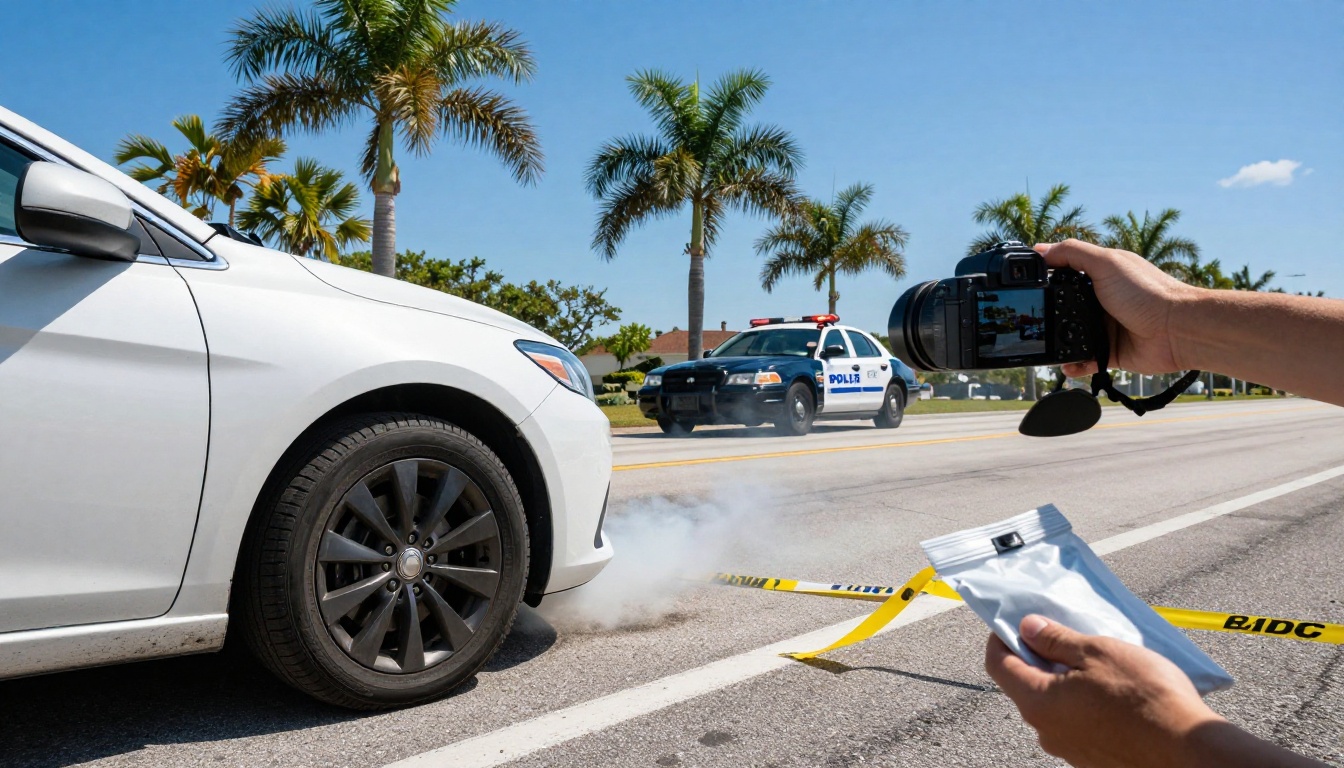
A tire blowout can turn a normal Florida drive into chaos in a few seconds. One loud pop, one sharp pull, and then the insurance blame game begins.
If you didn’t cause the wreck, you still may get accused of speeding, following too closely, or overcorrecting. In Florida tire blowout claims, that fight often comes down to one thing, proof.
As of April 2026, Florida’s public crash data still does not break out tire blowouts in a clear statewide category. So your case usually rises or falls on the facts you preserve at the scene and in the days after.
Why blowout crashes become fault fights
Blowout cases get messy because the cause is not always obvious. A tire may fail from poor upkeep, road debris, bad installation, overloading, or a product defect. Yet insurers often push a simpler story, driver error.
That matters because Florida uses modified comparative fault in negligence cases. If the other side can pin more than 50 percent of the blame on you, your claim against them may be barred. So a not-at-fault driver must show two things early, that the blowout happened, and that the reaction to it was reasonable.
A second problem shows up fast. Florida is still a no-fault state for basic injury coverage, so your own PIP may pay first. But PIP does not settle the bigger dispute over property damage, serious injuries, lost income, or pain caused by another driver’s failed tire.
If the crash started with loose tread, shredded rubber, or parts flying into your lane, the same evidence logic used in proving liability in debris crashes often applies.
The first clean version of the crash story usually carries the most weight, so don’t let the other insurer write it for you.
This is why blowout claims feel like puzzles scattered across the highway. The pieces are there, but they disappear fast.
Evidence that makes or breaks Florida tire blowout claims
The strongest Florida tire blowout claims rely on physical proof, not guesses. Start with the scene, then preserve the vehicle, then lock down your records.
Here is the evidence that usually matters most:
| Evidence | What it can prove |
|---|---|
| Wide photos and video | Lane position, debris, skid marks, road conditions, and final rest positions |
| The failed tire and wheel | Tread separation, sidewall damage, puncture, rim contact, or signs of poor maintenance |
| Witnesses and dashcam footage | Whether the blowout happened first, how the vehicle moved, and whether your reaction was reasonable |
| Tow, repair, and maintenance records | Prior tire wear, missed service, bad installation, or commercial vehicle neglect |
Take wide shots first. Then move closer. Photograph the whole roadway, both vehicles, loose tread, gouge marks, lane lines, and anything that may have triggered the failure, such as potholes or debris.
If you can, preserve the failed tire. Don’t let it vanish during repairs. A torn sidewall tells a different story than worn-out tread, and that difference may point toward a careless driver, a repair shop, or a tire maker.
Tow yard photos also matter. So do repair estimates. In many cases, the damage pattern helps explain whether a driver lost control after a blowout or whether another vehicle struck you while you tried to avoid it. If the insurer claims you drifted into another lane, compare your facts to this Florida lane-change sideswipe fault guide.
In serious crashes, official investigation files can show how detailed mechanical evidence gets preserved. Public NTSB crash dockets often include vehicle inspections, photos, and data that help reconstruct what happened. Federal investigators also publish loss-of-control crash reports that show how scene evidence and vehicle damage fit together.
If a truck or company vehicle had the blowout, ask for more than a police report. Tire inspection logs, load records, maintenance files, and driver inspection sheets may show the blowout was not sudden at all. It may have been building for weeks.
The first-week moves that protect your case
The first week after a blowout crash often decides the tone of the whole claim. Get medical care early, even if the pain seems minor at first. Neck, back, shoulder, and head symptoms often show up after the adrenaline wears off.
Then keep your timeline tight. Save discharge papers, prescriptions, work notes, rental car receipts, towing bills, and every photo in one folder. A short pain journal helps too. One or two lines a day is enough.
Be careful when speaking to insurers. Give the basic facts to your own carrier, but don’t guess about speed, tire age, or who “maybe” caused the blowout. A casual guess can become an admission later.
Social media can also hurt a good case. A smiling photo from dinner tells the insurer nothing about your pain, but they may still use it anyway.
When one blowout leads to several impacts, the claim gets harder fast. In that setting, this Florida multi-car accident claims guide can help you understand how chain-reaction proof works.
Most of all, don’t rush repairs before the vehicle and tire are documented well. Once the failed tire is discarded, you may lose the best proof in the case. That’s especially true when the issue may involve a defect, poor maintenance, or a commercial vehicle.
Strong claims are usually built on plain details, not dramatic ones. Clear photos, a preserved tire, prompt treatment, and a steady timeline can do more than a long argument ever will.
A blowout may happen in a second, but proof is what decides who pays for the damage after.
If an insurer is trying to shift blame after a Florida tire blowout crash, get legal help before the tire, video, and repair records disappear.