
Florida Wrongful Death Claims After a Fatal Slip and Fall
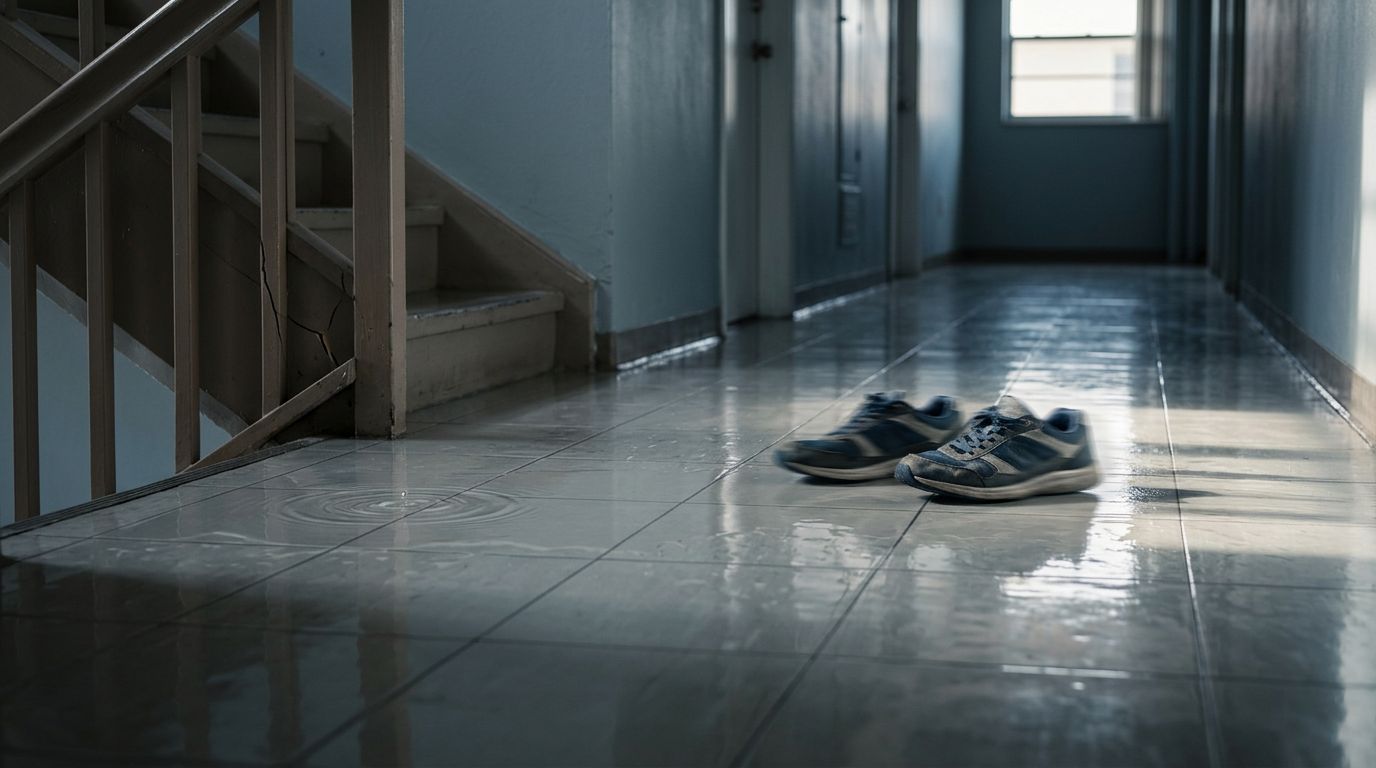
A slip and fall can turn fatal in seconds. One broken stair, one slick lobby floor, or one missing handrail can leave a family facing grief, medical bills, and unanswered questions.
If your loved one died after a fall on someone else’s property, a florida wrongful death claim may offer a path to accountability. The law can’t undo the loss, but it can shift the cost of that loss away from the family and toward the party that caused it.
The first issue is simple to ask and hard to prove: did someone fail to keep the property reasonably safe?
When a Fatal Slip and Fall Becomes a Wrongful Death Case
Not every tragic fall leads to liability. Florida law still requires proof that a property owner, business, manager, or other party in control of the property failed to use reasonable care. When that negligence causes death, the right to sue comes from Florida’s wrongful death statute.
Many fatal falls begin with hazards people see every day. Wet floors, loose mats, cracked walkways, poor lighting, broken railings, and unsafe stairs are common examples. Those conditions may look minor, yet they can lead to brain trauma, internal bleeding, hip fractures, or fatal complications after surgery.
In most cases, the fight centers on notice. Did the property owner know about the danger, or should they have discovered it sooner? A store may ignore rainwater tracked into an entrance. An apartment complex may leave a stair rail loose for weeks. A hotel may let a pool deck stay slick with no warning. That is where Florida premises liability duty of care often becomes the backbone of the case.
A fatal fall case is rarely about the fall alone. It’s about what the property controller knew, when they knew it, and what they failed to do.
Causation matters as well. The defense may argue that age, illness, or a prior condition caused the death. That doesn’t automatically defeat the case. If the fall set off the chain of events that led to death, liability may still exist. Medical records, treating doctors, and sometimes an autopsy can connect the unsafe condition to the final outcome.
Who Files the Claim, and Who May Recover
Many families assume each relative files a separate lawsuit. That is not how Florida wrongful death law usually works. The claim is typically filed by the personal representative of the estate, acting for the benefit of eligible survivors and the estate. Florida addresses that role in the statute section on wrongful death parties.
As of April 2026, the core rules have not changed. In most cases, the filing deadline remains two years from the date of death.
This quick table shows the basic structure:
| Issue | General Florida rule |
|---|---|
| Who files | The personal representative of the estate |
| Who may benefit | A spouse, children, parents, and sometimes other dependent relatives |
| Estate losses | Final medical bills, funeral costs, and certain lost earnings |
| Survivor losses | Lost support, lost services, and in some cases mental pain and suffering |
Damages depend on the family’s situation. If the deceased earned most of the household income, lost financial support may be a large part of the claim. If the loved one survived for days or weeks after the fall, medical expenses can also be substantial. Funeral and burial costs often become part of the case, too.
Non-economic harm matters as well. A surviving spouse may seek damages for lost companionship and protection. Minor children may recover for lost guidance and instruction. Parents may also have rights in some situations. Still, the details turn on the relationship to the person who died and the facts of the death. That is why early legal review matters. A case filed by the wrong person, or without the right estate setup, can lose momentum fast.
The Evidence That Often Decides These Cases
Evidence in a fatal slip and fall case disappears quickly. Floors get mopped. Railings get repaired. Incident reports get shortened. Video systems record over old footage. Meanwhile, witnesses forget small details that later become important.
Because of that, families should act fast, even while they are grieving. Strong cases often begin with the scene itself. Photos, maintenance records, inspection logs, witness statements, and internal reports can show whether the hazard existed long enough for staff to find it. If cameras may have captured the area, ask that the footage be preserved at once. Avard Law’s guide on how to preserve slip and fall footage fast explains why delay can cost a case.
The proof usually falls into four broad groups:
- Scene evidence, including photos of the floor, stairs, lighting, or missing warnings
- Notice evidence, such as prior complaints, work orders, or video showing staff walk past the danger
- Medical evidence, linking the fall to the injuries and the death
- Financial and family records, showing lost support, final expenses, and the impact on survivors
A fatal fall case can look simple at first glance. In reality, it often works like a row of dominoes. One unsafe condition leads to a fall. The fall causes a major injury. The injury leads to surgery, infection, loss of mobility, or another serious complication. Then death follows. The clearer the proof of each step, the harder it is for the defense to break the chain.
Deadlines and Defenses Families Need to Know
Time matters in two ways. First, evidence fades almost at once. Second, the legal clock keeps running.
In most situations, a florida wrongful death claim must be filed within two years of the date of death. If the fall happened on city, county, or state property, extra notice rules may apply. That means waiting can create two problems at the same time, weaker evidence and procedural trouble.
Property owners and insurers also fight these cases hard. One defense is that the danger was open and obvious. Another is that the hazard appeared too recently for anyone to fix it. They may also argue that your loved one ignored a warning or caused the fall. Florida’s fault rules can reduce recovery, and in some negligence cases can bar it if the deceased was more than 50 percent responsible.
That is why early investigation is so important. A lawyer can identify the right defendant, preserve records, secure video, and keep the property owner from writing the first and only version of the story.
Losing a loved one to a preventable fall feels unreal. The law won’t make that pain smaller, but it can force answers and recover support for the family left behind.
If you suspect negligence caused the death, act before the evidence dries up like a spill on tile. A prompt case review can show whether a florida wrongful death claim is worth pursuing.