
Late-Onset PTSD After a Florida Car Crash: Why Symptoms May Appear Months Later
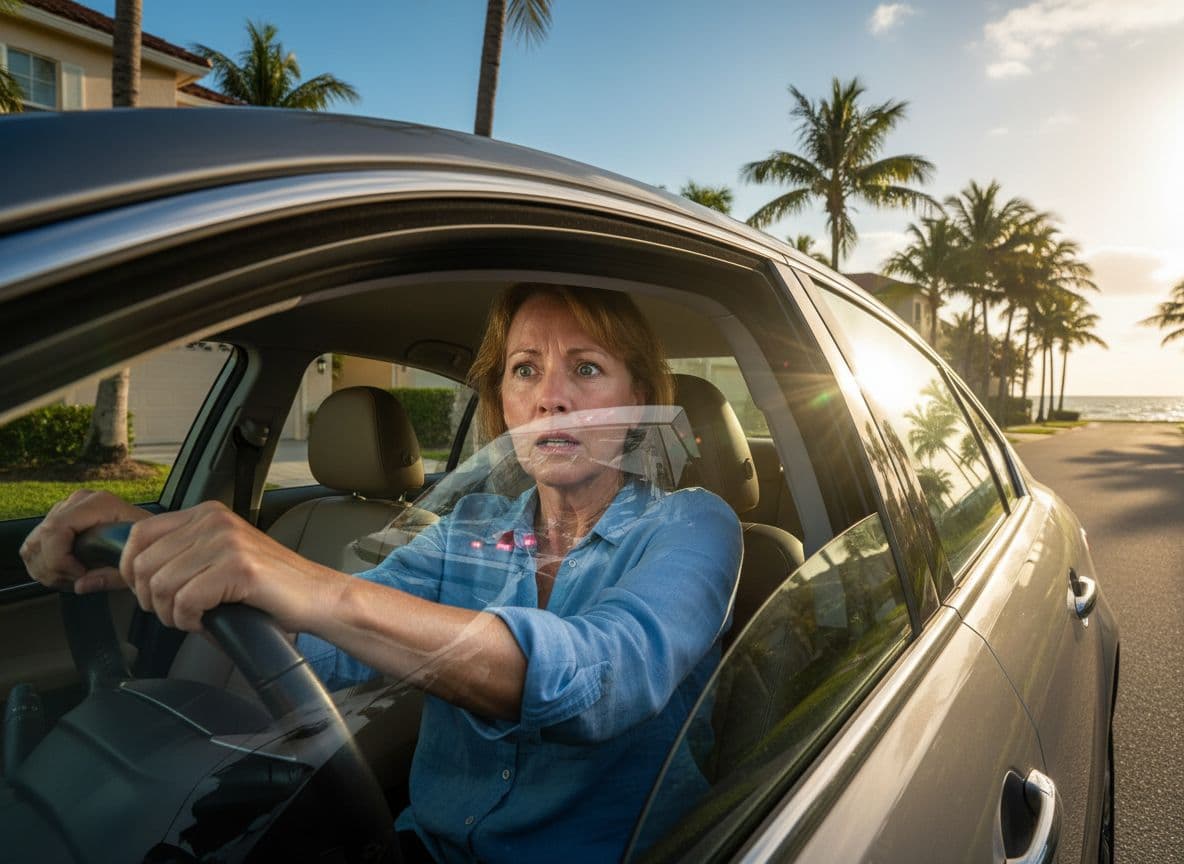
You walk away from a Florida crash thinking, “I’m lucky, it could have been worse.” The car gets fixed, the bruises fade, and life slowly falls back into place.
Then, months later, your heart races every time you pass the intersection where it happened. Sleep gets harder. You start avoiding driving, or even riding in a car. The crash that felt “over” is suddenly back in your head.
This is how late-onset PTSD after a Florida car crash often shows up. Many people type “late onset ptsd car accident” into a search bar long after the tow trucks are gone, trying to understand why they feel worse now than they did right after the collision.
PTSD that appears weeks or months later is real, it is recognized in medicine and mental health, and in many cases it can be part of a Florida personal injury claim.
What Is Late-Onset PTSD After a Florida Car Crash?

Photo by Michele Raffoni
Post-traumatic stress disorder, or PTSD, is a mental health condition that can develop after a traumatic event. Car crashes qualify because they often involve a sudden threat to your life or the lives of people you care about.
With late-onset or delayed-onset PTSD, a person seems mostly okay at first. Symptoms then appear or get much worse at least a month after the crash, sometimes several months later.
Common PTSD symptoms include:
- Flashbacks or vivid memories of the crash
- Nightmares about the accident or similar danger
- Strong fear or panic when riding in or driving a car
- Feeling “on edge,” jumpy, or easily startled
- Mood changes, anger, or feeling emotionally numb
- Trouble concentrating at work or school
For many Florida crash survivors, these symptoms start small and are easy to miss. That is why Hidden PTSD symptoms after a Florida car crash can quietly damage both your life and your injury claim if they are not recognized and documented early: https://avardlaw.com/personal-injury/hidden-ptsd-symptoms-after-a-florida-car-crash-and-how-they-hurt-your-claim/
Why PTSD Symptoms May Not Show Up Right Away
Many people blame themselves for not noticing sooner. The delay is not your fault. Your brain and body are wired to protect you in a crisis, and that protection can hide emotional damage for a while.
Your Body Stays In “Survival Mode”
Right after a crash, stress hormones like adrenaline flood your system. Your focus is on staying alive, getting medical care, dealing with police, and arranging a ride home.
That survival state can:
- Numb your emotions
- Block or blur memories
- Mask pain and anxiety
When life starts to slow down, the adrenaline fades. Your mind finally has “space” to process what happened, and the buried fear or horror can surface. That is often when late-onset PTSD symptoms start.
Ongoing Stress Can Trigger Late-Onset PTSD
The crash itself is only the start. In Florida, survivors often juggle:
- Car repairs or total loss claims
- Time off work and lost income
- Insurance calls and paperwork
- Doctor visits and physical therapy
Each new stressor can act like a small spark that lights up the original trauma. Maybe the first time you try to merge onto I‑75 again, your chest tightens. Or a similar looking car cuts you off and you feel like you are back in the crash.
Articles on Common PTSD triggers after a Cape Coral car accident show how these everyday reminders can set off powerful reactions that affect your injury claim: https://avardlaw.com/social-security-disability/common-ptsd-triggers-after-a-car-accident-in-cape-coral-and-how-they-affect-your-injury-claim/
Physical Injuries And Brain Changes
Physical pain and head injuries can also feed late-onset PTSD. Whiplash, concussion, and chronic pain change how you sleep, think, and cope.
Over time, problems like:
- Poor sleep
- Frequent headaches
- Ongoing pain
can drain your ability to manage stress. That makes it harder for your brain to “file away” the trauma of the crash, and PTSD symptoms may grow stronger instead of fading.
Signs Of Late-Onset PTSD You Should Not Ignore
PTSD can look very different from person to person. Some signs are loud and obvious. Others are quiet but just as serious.
Look for patterns like:
Intrusive memories
You suddenly see the crash in your mind while driving, at work, or trying to fall asleep. It feels like watching a movie you never asked to replay.
Sleep problems
You have nightmares, wake up in a panic, or dread going to bed because you know your mind will race.
Avoidance
You drive blocks out of your way to avoid the crash site. You let your license expire, make excuses not to ride with friends, or refuse to talk about the accident.
Mood and personality changes
You snap at loved ones, feel detached, or lose interest in things you once enjoyed. People might say you seem “different” since the crash.
Physical symptoms with no clear cause
Your heart races, your chest feels tight, or your stomach churns when you see brake lights or hear screeching tires. Doctors may not find a simple physical reason, because the root is psychological trauma.
If several of these signs show up months after a crash, you are not “overreacting.” You may be dealing with late-onset PTSD and should talk with both a medical professional and an experienced injury lawyer.
How Late-Onset PTSD Can Affect Your Florida Injury Claim
Insurance companies like simple stories. If you seemed fine right after the crash and only later developed PTSD symptoms, they may claim your condition is unrelated or “exaggerated.” That does not mean they are right.
Proving The Link Between The Crash And PTSD
To connect your PTSD to the crash, your legal team may use:
- Medical and mental health records
- Notes from therapists and psychiatrists
- Reports from family, friends, or co-workers about changes in you
- Expert testimony explaining delayed-onset PTSD
This evidence can show that the trauma of the collision, not unrelated life stress, caused your condition. For a deeper background on how courts look at PTSD from crashes, see Can a Florida car accident cause PTSD?: https://avardlaw.com/personal-injury/can-a-florida-car-accident-cause-you-to-develop-ptsd/
Florida Time Limits And Late-Onset PTSD
Florida recently shortened the statute of limitations for most negligence cases, including many car accidents, to 2 years for crashes that happened on or after March 24, 2023. That clock usually starts on the date of the accident, not the date your PTSD symptoms show up.
This means:
- You can still bring PTSD into your claim if it appears later, as long as your case is filed in time.
- Waiting to talk with an attorney until “you see how you feel” can hurt your rights.
An early legal consultation can help protect your claim while you continue to get medical and mental health care.
What To Do If PTSD Symptoms Appear Months After Your Crash
Late-onset PTSD is treatable, and it can be part of a strong injury case. The key is to act, not ignore it.
1. See a medical or mental health professional
Start with your primary doctor or a qualified therapist. Explain that you were in a Florida car crash and describe all your symptoms, even if they seem small or embarrassing.
2. Be honest about timing
Tell your providers when the crash happened and when each symptom started. Late-onset PTSD is a known pattern. Clear timelines help both your treatment and your legal claim.
3. Keep a simple symptom journal
Jot down:
- Dates and times of nightmares or panic attacks
- Situations that trigger fear or flashbacks
- How symptoms affect work, driving, or family life
These real-world notes can support your doctor’s records and show the impact of your condition.
4. Avoid self-medication
Using alcohol or drugs to numb intrusive thoughts often makes PTSD worse and can damage your case. Share any struggles with your doctor so they can offer safe options.
5. Talk with a Florida car accident attorney
A lawyer who understands both physical and psychological injuries can:
- Coordinate with your doctors
- Document PTSD as part of your damages
- Push back when insurers question late-onset symptoms
Firms like Avard Law Offices focus on helping injured and disabled clients connect the full scope of their harm to the crash, including emotional trauma. A free consultation can give you clear next steps.
Take Back Control After Late-Onset PTSD
For many Florida crash survivors, the scariest part is not the sound of crunching metal. It is the moment months later when they realize the crash still controls their sleep, their driving, and their peace of mind.
Late-onset PTSD is a real injury. It can be treated, and it can be recognized in a Florida car accident claim when it is properly documented.
If you see yourself in these symptoms, you do not have to wait until things get worse. Reach out to a medical professional, then speak with a knowledgeable Florida personal injury attorney about your options. The crash may be in your rearview mirror, but your health and your legal rights still matter today.