
Proving brain injury after a Florida crash when MRI results are normal in Cape Coral
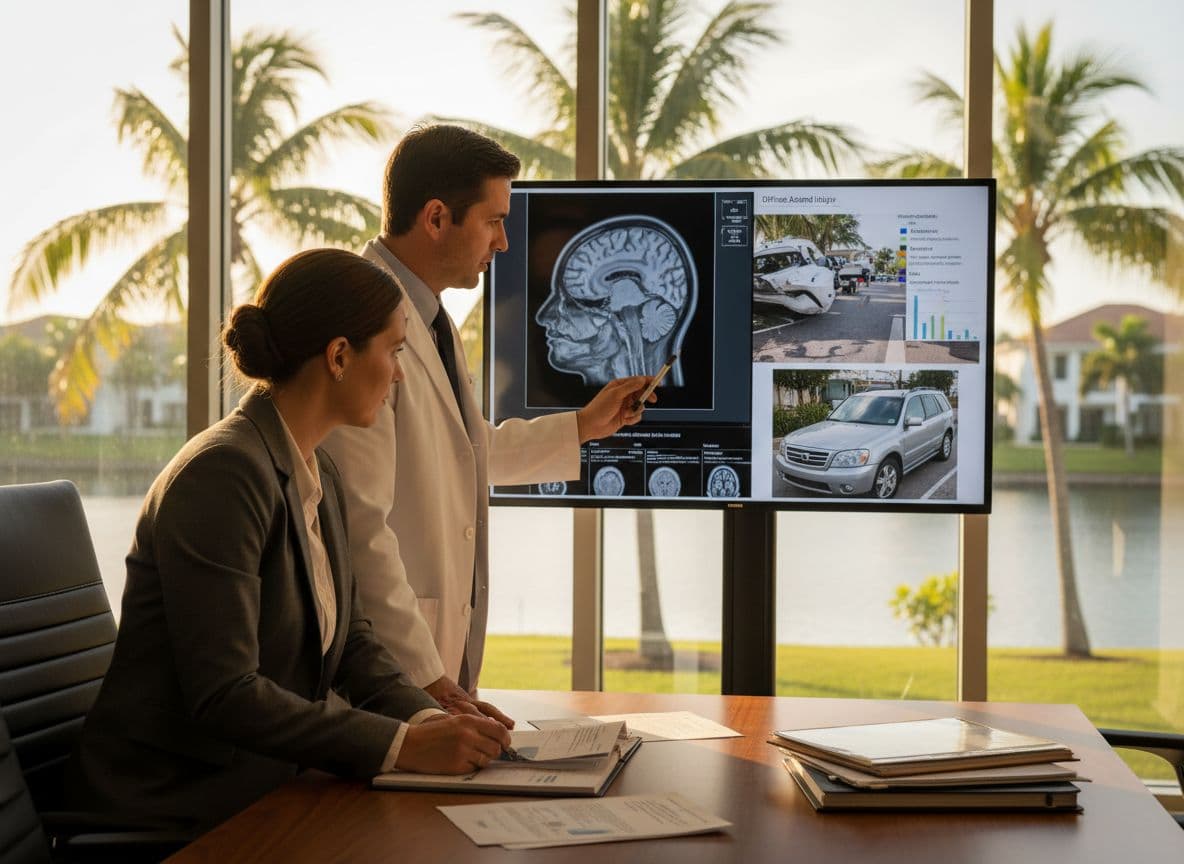
You hit your head in a Florida crash, the headaches won’t quit, and your focus is gone. Then the MRI comes back “normal.” It can feel like the test just erased what you’re living with.
A brain injury normal MRI result is common in mild traumatic brain injury cases, including concussions. Many brain injuries don’t show up on standard imaging, especially in the first weeks. That doesn’t mean you’re fine, and it doesn’t mean your claim is dead.
What matters is building proof the right way, with medical detail, consistent records, and a clear link between the Cape Coral crash and the changes in your life.
Why an MRI can look normal when your brain isn’t
MRI is great at spotting certain problems, like bleeding, swelling, tumors, or major structural damage. But many crash-related brain injuries are more like a “system crash” than a broken part.
A concussion can involve:
- Temporary changes in brain function
- Microscopic injury that standard MRI can’t resolve
- Disrupted sleep, mood, and attention without visible bleeding
Think of it like a phone that freezes after a drop. The screen isn’t cracked, but it doesn’t work right.
That’s why an insurance adjuster’s favorite phrase, “Your MRI is normal,” isn’t a medical conclusion. It’s a negotiating tactic.
Symptoms that help prove a crash-related brain injury
Brain injury symptoms aren’t just “feeling off.” They often follow patterns that doctors recognize, and they show up in daily life in ways other people can see.
Common concussion and mild TBI symptoms after a car crash include:
Cognitive changes: slower thinking, poor focus, short-term memory problems, trouble finding words.
Physical symptoms: headaches, dizziness, nausea, light or noise sensitivity, vision issues.
Emotional shifts: irritability, anxiety, depression, mood swings.
Sleep problems: insomnia, sleeping too much, waking up exhausted.
A key detail is timing. If these symptoms start right after the collision (or within days) and weren’t part of your normal life before, that timeline can support causation.
Medical evidence that can replace a “positive MRI”
When standard imaging is normal, strong claims usually lean on clinical findings, specialized testing, and treatment records that show a consistent story over time.
ER and urgent care records still matter (even if brief)
Right after a crash, many people minimize symptoms. They say, “I’m okay,” because adrenaline is high. Even so, early records can still show important facts: head impact, confusion, vomiting, dizziness, neck pain, or a diagnosis of concussion.
If you haven’t been evaluated yet, don’t wait. Florida’s insurance rules can punish delay, and your health can suffer.
Neurology exams and ongoing symptom tracking
A neurologist may document problems with balance, coordination, reflexes, eye movements, and cognition. Those findings can be subtle, but they’re not “nothing.”
Also, consistency matters. If each visit shows the same pattern, it’s harder for insurers to claim you made it up.
A simple symptom journal can support your doctors’ notes. Track headaches, sleep, missed work, and what triggers symptoms (screens, driving, bright stores).
Neuropsychological testing (the “receipt” for cognitive changes)
Neuropsych testing is one of the most persuasive tools in brain injury cases with normal imaging. It measures memory, processing speed, attention, and executive function. It can also compare your results to expected levels based on age and background.
If you can’t multitask anymore, can’t retain instructions, or you’re making unusual mistakes at work, this type of testing can put numbers to the problem.
Vestibular and vision-based testing
Car crashes can trigger vestibular issues (inner ear and balance) and vision changes. Physical therapists and vestibular specialists often test:
- Balance and gait
- Motion sensitivity
- Eye tracking and focus (convergence)
- Dizziness triggered by head movement
These findings can show objective problems that match your complaints.
Treatment records can be evidence, not just care
Your therapy notes, medication history, referrals, and work restrictions create a paper trail. Insurers may dismiss symptoms, but they struggle against a steady record of:
- Follow-up visits
- Treatment compliance
- Documented limitations
- Professional observations over months
What to do in Cape Coral after a crash if you suspect a concussion
If you’re trying to prove a brain injury, your next steps can either strengthen the evidence or create gaps the insurer will use against you.
Start with a solid post-crash checklist, including medical care and documentation. This guide on what to do immediately after a car accident in Cape Coral lays out practical actions that can protect both your health and your claim.
Here are the steps that matter most for brain injury cases:
Get evaluated quickly, even if you didn’t lose consciousness.
Describe symptoms clearly (dizziness, confusion, light sensitivity), not just “head pain.”
Keep appointments and follow treatment plans. Gaps make insurers argue you recovered.
Save proof of life impact, like missed work notes, written warnings, or job changes.
Avoid social media posts that can be twisted into “you’re fine.”
How Florida insurance rules affect “normal MRI” brain injury claims
Most Cape Coral crash cases start under Florida’s no-fault system (PIP). In plain terms, PIP may cover part of medical bills and lost wages regardless of fault, but it comes with deadlines and limits.
Two legal pressure points show up often:
The 14-day treatment rule
For many drivers, you generally need medical care within 14 days to access PIP benefits. Waiting can create both health risk and coverage fights.
The “serious injury” threshold and long-term effects
To pursue pain and suffering damages from the at-fault driver in many car crash cases, Florida law requires a serious injury threshold, which often involves permanency. Mild TBI cases can qualify when symptoms last, interfere with work, or create lasting impairment, but they need strong medical support.
This is where careful documentation, specialist involvement, and clear causation become the backbone of the case.
Connecting the dots: causation is the real fight
Insurers rarely argue that concussions exist. They argue this concussion is not from this crash, or that it resolved quickly.
To prove causation, your case typically needs:
A clean “before” picture: work history, school performance, daily function, prior medical records.
A clear “after” picture: new symptoms, changed behavior, reduced work ability, new treatment needs.
A credible timeline: symptoms starting right after the collision, not months later.
Doctor support: opinions written in medical terms that connect the crash to the impairment.
If you had prior migraines, ADHD, anxiety, or an older head injury, you can still have a valid claim. The focus becomes aggravation and change from baseline, backed by records.
How a personal injury attorney helps when imaging is normal
When imaging is clean, a claim can’t rely on one dramatic test result. It has to be built like a case file, piece by piece.
A personal injury attorney can help by:
- Gathering all medical records and billing in a usable format
- Coordinating neuropsych, neurology, and therapy documentation
- Identifying the best evidence of lost earning ability and daily limits
- Handling insurer requests for recorded statements and broad authorizations
- Presenting the claim as a clear narrative, supported by expert opinions
If you’re also trying to understand how injury type can affect case value in Cape Coral, this resource on average settlement values for car accident claims in Cape Coral by injury type provides helpful context.
Conclusion
A normal MRI doesn’t cancel out a real concussion or mild TBI. In Cape Coral crash cases, proof often comes from symptoms over time, specialist testing, therapy findings, and the everyday losses that follow you into work and home life. If your brain feels changed but the scan looks “fine,” your next steps and your records matter more than ever. The goal is simple: document the truth, then support it with evidence that holds up under pressure.