
Recorded Statement Requests After a Cape Coral Car Crash, What Insurers Ask, What to Avoid, What to Do Instead
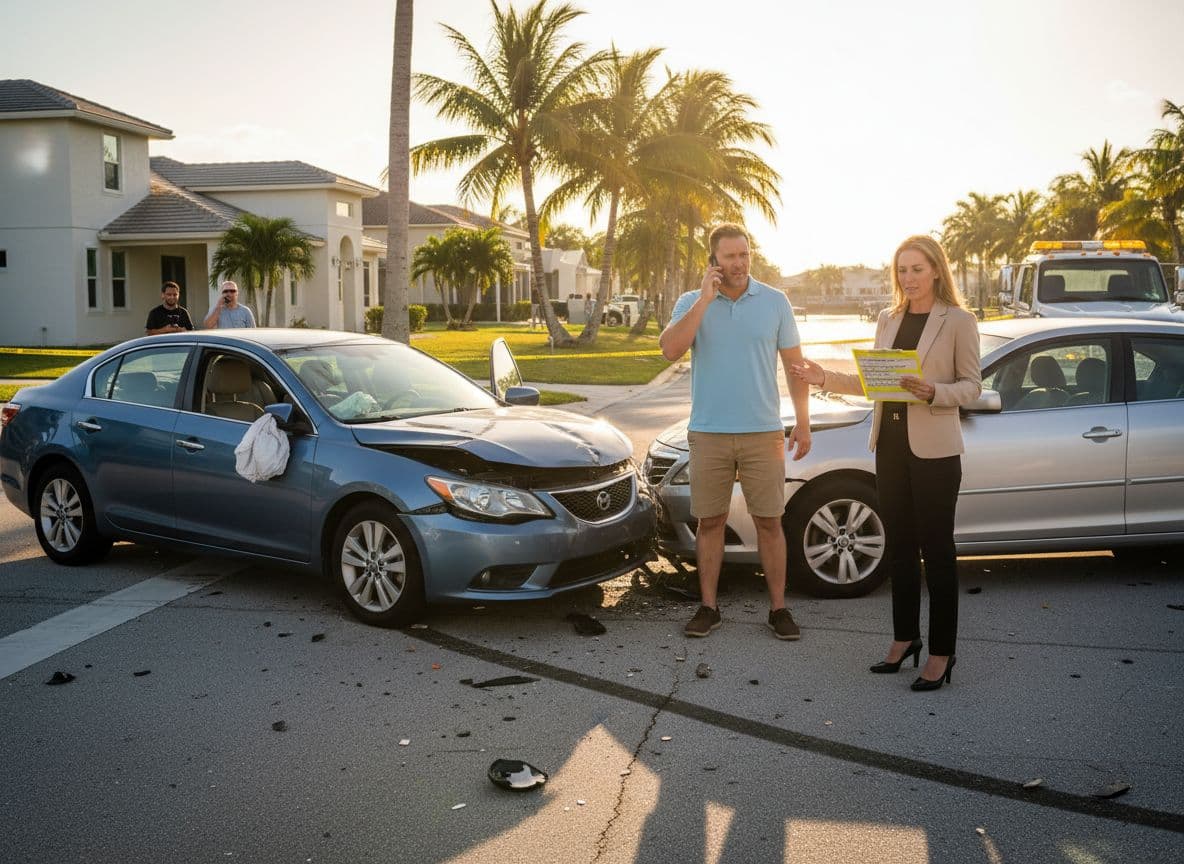
Right after a Cape Coral wreck, the phone can start ringing fast. An adjuster sounds polite, says they “just need your side,” and then asks to record the call. If you’re sore, tired, or still in shock, that request can feel like a routine step, like signing a receipt.
It isn’t. A recorded statement car accident call is often designed to lock you into details before you have the full picture, including the full picture of your injuries.
This guide explains what insurers typically ask, the traps to watch for, and safer ways to handle the request without making your claim harder than it needs to be.
Why insurance companies push for recorded statements
Insurance companies record statements for one main reason: to control the story early. The earlier they get you talking, the better the chance you’ll say something they can use to reduce or deny payment.
A recorded statement can be used to argue that:
- You caused or contributed to the crash.
- Your injuries “must not be that bad” because you said you were “fine.”
- Your pain started later, so it “must be unrelated.”
- You changed your story, even when you’re only correcting an honest mistake.
Adjusters also know something most people learn the hard way: small details matter. A wrong estimate of speed, a mixed-up direction of travel, or one casual phrase like “I didn’t see them” can be replayed again and again.
When recorded statements usually come up (and who is asking)
After a Cape Coral crash, you may hear from two different insurers, and the difference matters.
Your own insurance company
Your policy may require cooperation. That doesn’t always mean you must give an immediate recorded statement on demand, but it does mean you should treat the request seriously and avoid ignoring it.
The other driver’s insurance company
You usually have no obligation to help the other driver’s insurer build a case. Their job is to protect their insured, not you.
If you’re still in the early chaos, review the essential actions after a car accident in Cape Coral so you don’t miss steps that protect both your health and your claim.
What insurers ask in a recorded statement (and what they’re really listening for)
Most adjusters follow a familiar script. The questions may sound harmless, but each one has a purpose.
| Common question | What they’re trying to confirm | What can go wrong |
|---|---|---|
| “Tell me what happened.” | A clean timeline they can pick apart | You guess, assume, or speculate |
| “How fast were you going?” | Speed as a fault argument | You estimate wrong, it becomes “fact” |
| “Were you distracted?” | Phone use, fatigue, looking away | A normal glance becomes “inattention” |
| “Any prior injuries?” | A pre-existing condition defense | Old pain gets blamed for new injury |
| “Did you feel hurt at the scene?” | Injury delay as a denial tool | Adrenaline makes you say “no” |
| “Have you seen a doctor yet?” | Gaps in care | Delay gets framed as “not serious” |
| “Was there anything you could’ve done?” | Shared fault | You say “maybe” out of politeness |
They may also ask about seatbelts, passengers, medications, or whether you had anything to drink. Even if you did nothing wrong, these questions can steer the conversation into side issues that distract from what matters: who caused the crash, and what it cost you.
What to avoid saying (even if it feels polite or honest)
A recorded call is not the place for casual language. These are some of the most common mistakes that hurt otherwise valid claims.
“I’m fine” or “I’m okay”
Many injuries do not show up right away, including whiplash, concussions, and back strains. What you say in the first 24 hours can clash with a diagnosis that appears days later.
Safer approach: “I’m still being evaluated, and I’m monitoring symptoms.”
Guessing or filling in gaps
People hate silence, so they guess. Adjusters count on that. If you don’t know, say so.
Safer approach: “I don’t know,” or “I can’t estimate that accurately.”
Accepting blame, even partially
Words like “sorry” and “I should’ve” can be framed as admissions. Fault is rarely simple in real crashes, especially at busy intersections.
Safer approach: Stick to facts, location, direction, and what you observed.
Minimizing property damage
“Just a dent” sounds like “couldn’t have caused injury.” Modern bumpers hide serious impact forces.
Safer approach: “I haven’t had the vehicle inspected yet.”
Talking about your daily activities in a broad way
Adjusters may ask, “Are you back to normal?” If you say “yes” because you made it through work, they may argue you don’t deserve compensation.
Safer approach: “I’m doing what I can, but I’m limited and still treating.”
What to do instead: safer ways to handle a recorded statement request
You don’t have to choose between total silence and saying yes to everything. Use a plan that protects you.
1) Get medical care first, and document symptoms
In Florida, Personal Injury Protection (PIP) rules can make early treatment important. Beyond coverage rules, getting checked protects your health and creates a record close in time to the crash.
Write down symptoms the same day, even “minor” ones: headache, dizziness, neck stiffness, numbness, sleep issues. Those details often matter later.
2) Limit early communication to basic facts
You can report the crash without giving a detailed recorded interview.
Basic facts usually include:
- Date, time, and location
- Vehicles and drivers involved
- Whether police responded
- Where the cars came to rest
- Whether you sought medical care
Avoid theories about fault or exact speeds. If you already gave a statement to police, keep your description consistent and fact-based.
3) Ask for the request in writing
A simple line can slow things down and reduce pressure: “Please email me your questions.”
If the adjuster refuses, that’s useful information about their priorities.
4) Don’t go alone if the injuries are more than minor
If you have pain that lasts more than a day or two, missed work, imaging, or specialist referrals, it’s smart to talk with a personal injury attorney before giving a recorded statement. It’s easier to prevent a damaging statement than to fix one.
5) Collect the documents insurers rely on
Insurance disputes often turn on paperwork, not volume. A crash report can correct errors and confirm key facts, including driver info and location details. Use this guide on obtaining a Cape Coral car accident report so you’re not chasing it later when deadlines feel tight.
If you already gave a recorded statement, you’re not “done”
Many people give a statement, then realize later they understated pain or mixed up details. That doesn’t automatically end your case.
Take these steps:
- Write down what you remember saying, as soon as possible.
- Keep medical appointments and follow treatment plans.
- Don’t “correct” yourself on another recorded call without advice.
- Focus on building clean records: medical notes, photos, and missed work proof.
If you’re still in the first days after the wreck, this Cape Coral car crash response checklist can help you cover the basics that often get overlooked when life feels upside down.
Conclusion
A recorded statement after a Cape Coral car crash can feel routine, but it can shape your claim in ways you won’t see until weeks later. The safest path is simple: get medical care, stick to facts, avoid guessing, and don’t agree to a recorded interview just to be “helpful.” If the injuries are real and the stakes are high, getting advice before you talk can protect your case and your recovery.