
Seat Belt Use and the Florida “Seat Belt Defense”: How It Can Cut a Cape Coral Car Accident Payout
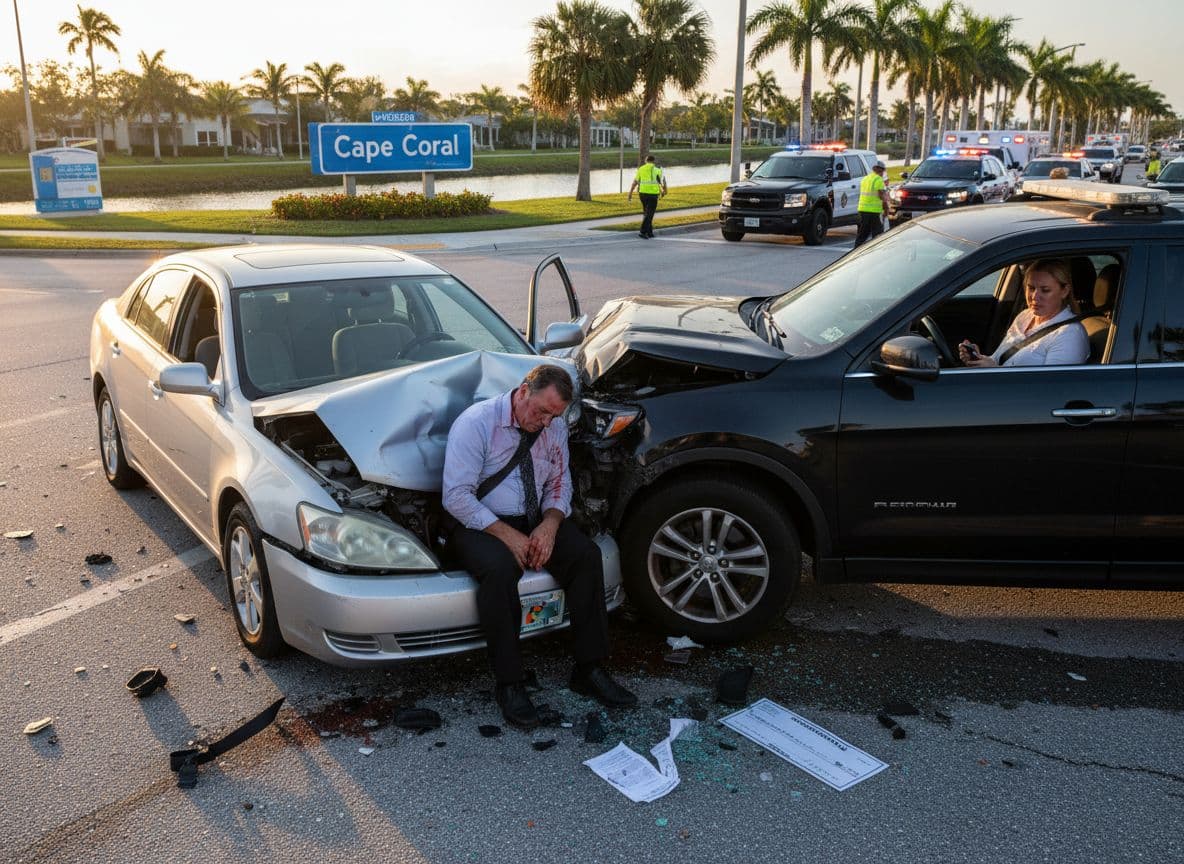
You might feel confident about your Cape Coral crash claim. The other driver ran the light, the police report backs you up, and your injuries are real. Then the insurance adjuster asks a simple question that changes everything: “Were you wearing your seat belt?”
That question is not small talk. It is the doorway into the Florida seat belt defense, a legal strategy that can sharply reduce the money you collect. Many injured people never see it coming.
This guide explains how the Florida seat belt defense works, how it can affect a Cape Coral car accident payout, and what you can do to protect your claim. The goal is simple: give you clear, practical information before you deal with an insurance company.
What Is Florida’s Seat Belt Defense?
Florida law requires most drivers and passengers to wear seat belts. When someone is hurt in a crash, the other side can use a failure to buckle up as a defense. That is what lawyers and insurers call the Florida seat belt defense.
In plain terms, the defense argues that you share blame for your injuries, not for causing the crash, but for making the injuries worse. The idea is that a seat belt would have reduced the harm, so your payout should be cut. Florida courts allow juries to hear that argument and reduce damages if they agree.
Florida follows a comparative fault system. A jury can assign each party a percentage of fault and reduce your damages by your share. Seat belt nonuse becomes one more way for the defense to push your percentage higher and your check lower.
It is important to remember that this defense focuses on injuries, not just on traffic tickets. The question is not only “Did you break the seat belt law?” It is also “Did that choice make your injuries worse in a way we can measure?”
How Seat Belt Use Can Cut a Cape Coral Car Accident Payout
The Florida seat belt defense does not erase your whole claim in most cases. Instead, it works like a discount on your damages in favor of the insurance company. The more they can blame your injuries on not wearing the belt, the larger that discount becomes.
Picture a side‑impact crash at one of Cape Coral’s most dangerous road intersections. You suffer a broken leg and serious facial injuries. An expert might say the broken leg would have happened either way, but the facial injuries likely came from hitting the dashboard because you were unbelted.
In that example, a jury might award full damages for the leg, but reduce the money tied to facial injuries. If those injuries made up half of your total case value, your overall payout could drop by a large amount. The defense only needs to convince the jury that some part of your harm was avoidable with a belt.
Florida is also a no‑fault state. Your Personal Injury Protection (PIP) benefits pay certain medical bills and lost wages up to policy limits, no matter who caused the crash. Seat belt arguments usually matter most when you step outside no‑fault rules and bring a claim against the at‑fault driver. If you want to understand how PIP and liability claims work together in this context, it helps to review an understanding no‑fault insurance in Cape Coral guide.
Florida now uses a modified comparative fault rule. If you are found more than 50 percent at fault for the crash itself, you cannot recover from the other driver. Seat belt nonuse usually will not push you past that line by itself, but it still gives the defense powerful tools to cut the value of your injuries.
What Insurers Must Prove To Use the Florida Seat Belt Defense
Insurance companies often act as if your failure to wear a seat belt automatically slashes your claim. The law is not that simple. They have to prove several points before a jury can fairly reduce your damages.
First, they must show the vehicle had a working seat belt that was available for you to use. If the belt was broken, jammed, or missing, the defense gets weaker. Second, they must show that you were not wearing it at the time of the crash, not just that someone suspects you were unbelted.
Third, and most important, they must connect that nonuse to your injuries. This usually requires expert testimony. Doctors or crash reconstruction experts may testify about how your body moved in the collision and which injuries a proper belt would likely have prevented or reduced.
Think of it like a “what if” replay of the crash. The defense needs to paint a believable picture of how events would have looked if you had buckled up. If that picture is vague or based on guesswork, a good attorney can attack it and argue that your payout should not be reduced.
You are not required to prove that a belt would not have helped. The burden falls on the defense to connect every dot. But if you do not push back, adjusters often treat their own theory as fact.
Where Seat Belt Evidence Comes From After a Crash
Seat belt disputes usually start with your own words. What you tell police, paramedics, or an insurance adjuster in the first hours after a crash can become Exhibit A at trial. Stress, pain, and confusion can lead to statements that later sound damaging.
Physical evidence matters too. Photos of the vehicle can show whether the belt is stretched, locked, or blood‑stained, all signs that it was worn during impact. Modern cars may record whether belts were buckled at the time of a crash, and experts can download that data.
Medical records often tell part of the story. Certain patterns of bruising across the chest or hips can suggest belt use. Other patterns, like severe head impact without strap marks, may suggest the opposite. Insurers study those details very closely.
Because early steps matter so much, it helps to follow a clear step-by-step after-accident guide for Cape Coral. Getting checked by a doctor, taking photos, and keeping your statements short and accurate all make it harder for an insurer to twist the facts about seat belt use later.
Steps To Protect Your Claim When Seat Belt Use Is in Question
Even if you were not wearing a seat belt, you still may have a strong case. Your actions after the wreck can raise or lower the risk that the Florida seat belt defense will bite into your payout.
Helpful steps include:
- Get prompt medical care: This documents every injury and ties it to the crash, not to some later event. It also gives doctors a chance to describe which injuries a belt would not have changed.
- Preserve the vehicle: Do not rush to scrap or repair the car before photos and inspections are complete. The condition of the seat belt can help or hurt the defense.
- Avoid casual statements to insurers: Answer basic questions, but do not guess about speed, belt use, or how injuries happened. Guessing gives adjusters material they can twist.
Local context can matter too. Crashes at busy crossings like Cape Coral’s most dangerous road intersections often involve multiple impacts and complex vehicle movements. That complexity can make it harder for the defense to prove which injuries came from seat belt nonuse and which came from the sheer violence of the collision.
Keep copies of every record. Police reports, photos, repair estimates, and medical bills all feed into the damage picture. The stronger and clearer that picture is, the less room there is for an insurer to argue that a missing belt is the main cause of your losses.
When To Talk With a Personal Injury Attorney About Seat Belt Issues
Any time an adjuster hints that your payout might be reduced because of seat belt use, it is time to speak with a personal injury attorney. Seat belt defense cases often come down to expert opinions, detailed medical records, and careful cross‑examination of the other side’s witnesses.
A local attorney who knows Florida law can analyze whether the defense is strong or just a scare tactic. They can bring in their own experts to challenge the insurer’s theories and show the jury what injuries were truly unavoidable. They also handle negotiations so you are not pushed into a low settlement out of fear.
You do not have to wait until a lawsuit is filed. Early advice can shape how you talk to insurers, what evidence you collect, and which mistakes you avoid. That early guidance often pays off in the final settlement number.
Conclusion: Do Not Let the Seat Belt Defense Erase Your Rights
The Florida seat belt defense is a real threat to Cape Coral car accident payouts, but it is not automatic and it is not always fair. The defense must prove that a working belt was available, that you failed to use it, and that the choice clearly made your injuries worse. Careful medical care, solid evidence, and experienced legal help can all blunt that attack.
If an insurer is raising questions about seat belt use after your crash, do not face that fight alone. Talk with a qualified attorney about your options before you agree to any settlement or detailed statement. Your decision to get informed now can make a major difference in the compensation you receive later.