
Tourist Rental Car Crashes in Cape Coral: How Out-of-State Drivers Handle Florida Injury Claims
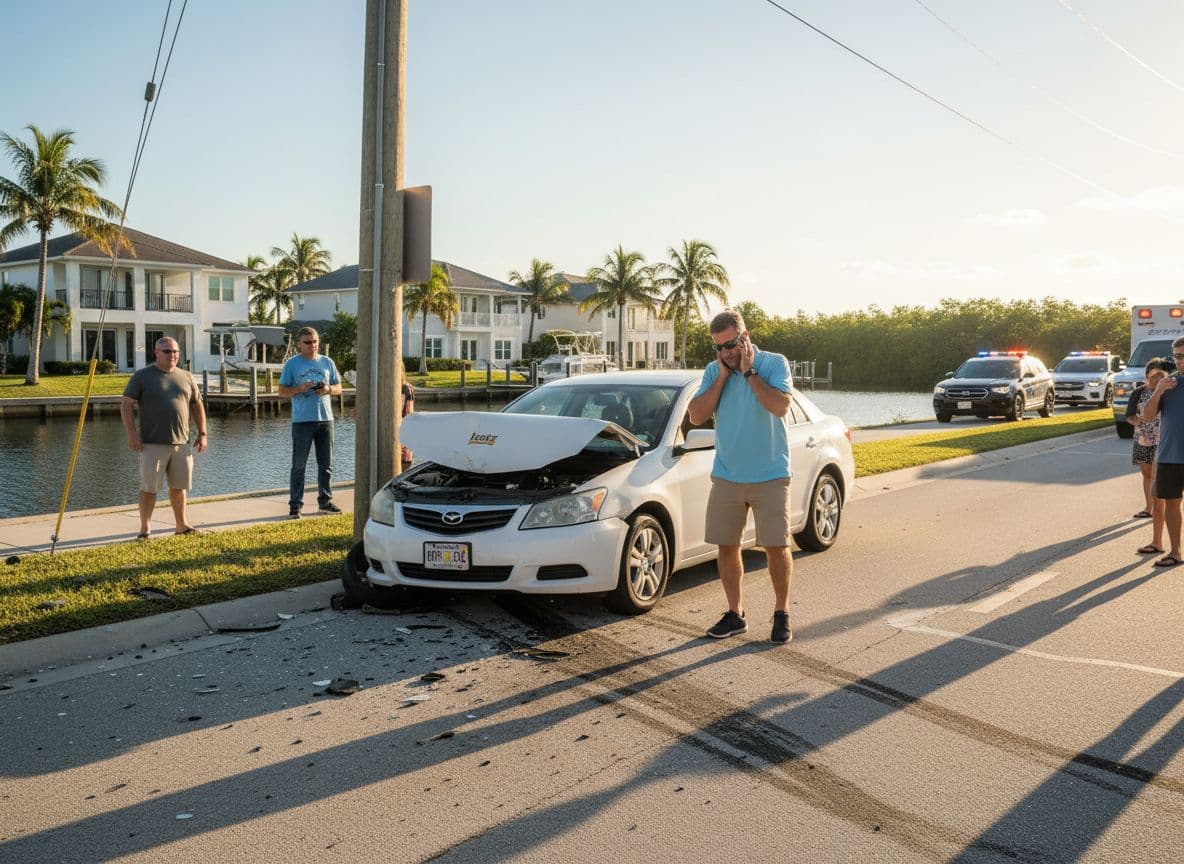
The canals, sunshine, and palm trees of Cape Coral are a big draw for visitors. But one sudden rental car accident Cape Coral can turn a vacation into a stressful tangle of forms, phone calls, and medical bills.
For out-of-state drivers, the confusion is even worse. Florida has its own no-fault rules, rental companies add extra contracts, and your home auto policy may or may not apply. You might wonder where to file a claim, which insurer should pay, and whether you have to fly back to Florida.
This guide explains how tourist rental car crashes in Cape Coral work under Florida law, what steps to take, and when it is time to bring in a personal injury attorney who knows these cases.
Why Tourist Rental Car Crashes Are Different in Cape Coral
Cape Coral and the rest of Southwest Florida see heavy tourist traffic in the winter and spring. That means more rental cars on the road, more unfamiliar drivers, and more chances for mistakes at busy intersections or sudden lane changes.
When a crash involves a rental vehicle and a visitor from another state, three things collide at once:
- Florida traffic and insurance law
- The rental company’s contract and coverage
- The driver’s home auto policy and benefits
A driver from Ohio in a Florida rental may assume Ohio rules apply. They do not. If the crash happens in Florida, Florida law controls most of the injury claim, no matter where you live.
Who Pays After a Rental Car Accident in Cape Coral?
In many cases, several different insurance policies may be involved in a rental car crash. Think of them as layers of protection that may apply, depending on who was driving and who was at fault.
Here is a simple overview:
| Source of coverage | Who it may protect | What it can cover |
|---|---|---|
| Personal Injury Protection (PIP) | You and some passengers | Portion of medical bills and lost wages |
| Rental company liability or self-insurance | People hurt by the renter’s driving | Injuries and property damage if renter is at fault |
| Your own auto policy from home | You and others you injure | Liability, medical payments, sometimes UM/UIM |
| At-fault driver’s liability insurance | People hurt by that driver | Medical bills, lost income, pain and suffering |
| Uninsured / underinsured motorist coverage | You and covered family/passengers | Losses when the at-fault driver lacks enough insurance |
In a typical scenario, your own PIP or medical coverage may pay first for emergency care. After that, claims often shift to the at-fault driver’s bodily injury coverage. If your losses are higher than those limits, uninsured or underinsured motorist coverage can become critical.
Because rental car agreements and policies are written differently from company to company, having someone review the contracts and all available coverages can change the size and source of your recovery.
Florida No-Fault Rules For Out-of-State Drivers
Florida is a no-fault state for most car crash injuries. That means:
- Many drivers use Personal Injury Protection (PIP) for initial medical bills and part of lost wages, regardless of fault.
- To get PIP benefits in Florida, you usually must see a doctor within 14 days of the crash.
- To claim pain-and-suffering damages from the at-fault driver in a car case, your injuries generally must meet Florida’s “serious injury” threshold, such as a permanent injury, significant scarring, or loss of an important body function.
These rules apply to visitors as well as Florida residents when the crash happens here.
Florida also uses a modified comparative negligence system for recent cases. If you are partly at fault, your compensation is reduced by your share of fault. If you are found more than 50 percent responsible, you may not recover from the other driver at all. That makes early statements and police reports very important.
Key Steps After a Cape Coral Rental Car Crash
What you do in the first minutes and days after a crash can shape your claim. For out-of-state drivers, staying organized matters even more, because you may go home quickly.
Consider these steps:
- Get to safety and call 911: Move out of traffic if you can, and report any injuries right away.
- Document the scene: Take photos of all vehicles, road conditions, traffic signs, and visible injuries. Get names and contact details for witnesses.
- Preserve rental and insurance papers: Save your rental contract, emails from the rental company, and your reservation or credit card records.
- See a doctor within 14 days: Even if you feel “okay,” get checked. This protects your health and keeps no-fault benefits available.
- Report the crash carefully: Notify your own insurer and the rental company, but avoid guessing about fault or giving broad recorded statements without advice.
- Write down symptoms and missed work: A short journal helps show how the crash affected your daily life.
For a more detailed checklist that applies to locals and visitors, you can review this Immediate actions after a Cape Coral car accident.
Handling Your Florida Injury Claim From Back Home
Most tourists cannot stay in Cape Coral for months while an injury claim plays out. The good news is that you do not have to. A Florida personal injury attorney can handle the legal side here while you continue treatment and work at home.
Today, almost every part of a claim can be handled remotely:
- Signatures can be done electronically.
- Meetings and depositions often happen by video.
- Medical records and bills can be collected from your home doctors.
Time limits still apply. For most car crash injury claims based on negligence that arise after March 2023, Florida now uses a two-year statute of limitations, with different rules for older crashes and some special situations. Waiting too long can bar your claim or weaken it as evidence fades.
If you want context on how injury type and severity can affect results, this Cape Coral accident claim settlement guide explains common factors in local car accident settlements.
When To Call a Cape Coral Personal Injury Attorney
Minor fender-benders with no injuries can sometimes be handled directly with the rental company and insurers. But rental car crashes involving real injuries or out-of-state drivers rarely stay simple.
You should talk with a lawyer right away if:
- You went to the ER or urgent care, or still have pain days later.
- Someone is blaming you when you do not agree.
- More than two vehicles are involved, or passengers were hurt.
- A pedestrian, bicyclist, or motorcycle was part of the crash.
- An insurer is pushing you to settle quickly or sign broad releases.
A Florida personal injury attorney who regularly handles both rental car and tourist cases can sort out which policies apply, protect you from unfair blame, and coordinate with any disability claims if your injuries keep you from working.
If you were hurt while visiting Southwest Florida, you can speak with experienced Cape Coral personal injury attorneys who are familiar with rental car accidents involving out-of-state and foreign tourists.
Conclusion
A tourist rental car crash in Cape Coral can turn a short trip into a long legal and medical struggle. Florida’s no-fault rules, multiple layers of insurance, and distance from home make these cases challenging, but you do not have to solve them alone.
Getting prompt medical care, preserving evidence, and speaking early with a knowledgeable local lawyer are the best ways to protect your rights and your future. If a rental car accident in Cape Coral has upended your plans, reach out for a free case review before the insurance companies decide what your injury is worth.