
Uninsured and Underinsured Motorist Coverage in Cape Coral: How It Affects Your Car Accident Claim
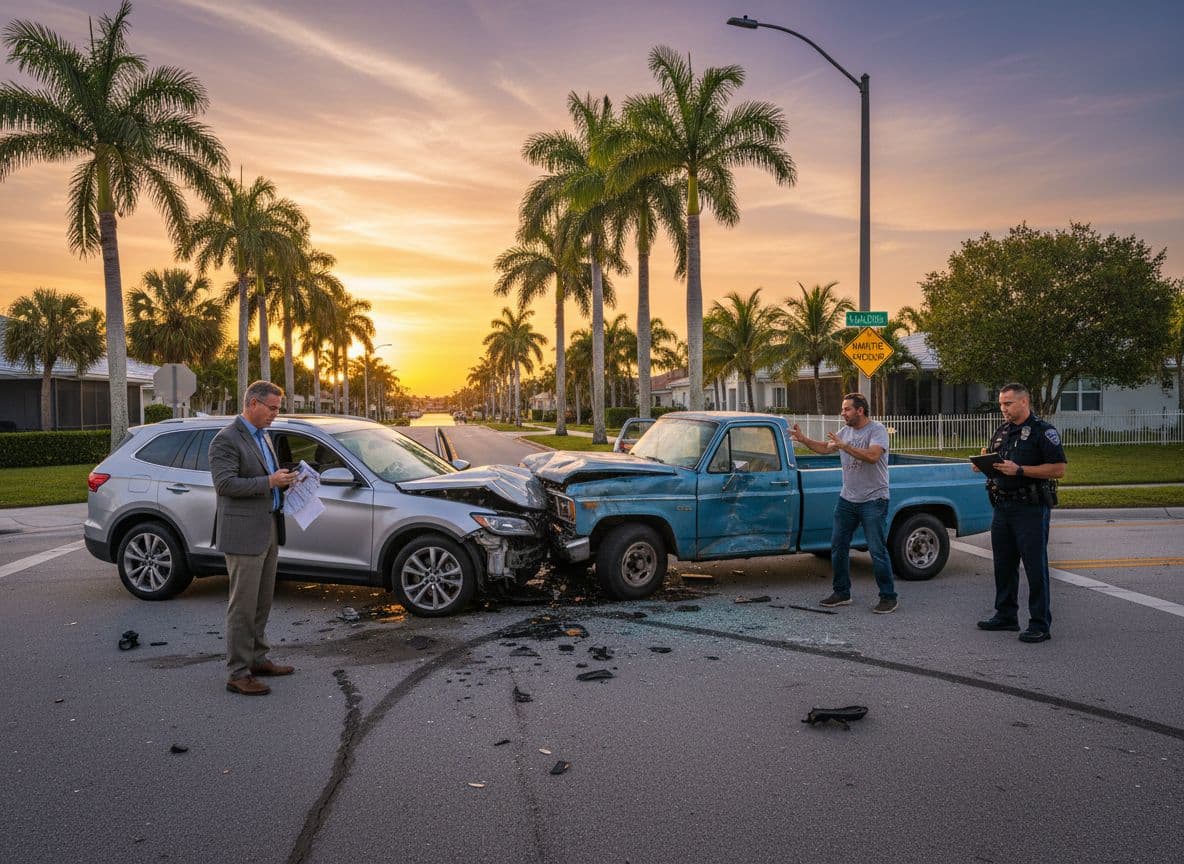
You expect every driver around you in Cape Coral to carry insurance. The reality on Florida roads is very different. Roughly one out of every five drivers has no coverage at all, and many more carry only the bare minimum.
When a serious crash happens, that gap lands on you. This is where uninsured underinsured motorist coverage can decide whether your claim is stressful or life‑changing.
Why UM/UIM Coverage Matters For Cape Coral Drivers
Florida has long required only basic Personal Injury Protection (PIP) and Property Damage Liability. Those minimums are low, and they do not come close to covering many serious injury claims. Recent updates to current Florida car insurance requirements increase bodily injury limits for new policies, but plenty of drivers still carry old, bare‑bones coverage or let their policies lapse.
At the same time, estimates place Florida’s uninsured rate between 16 and 20 percent, with some reports even higher for parts of Southwest Florida. Cape Coral’s rapid growth, seasonal traffic, and high number of part‑time residents all add to the risk that the driver who hits you has no meaningful insurance.
PIP (for policies that still include it) typically pays only a portion of your medical bills and a fraction of your lost wages, and it caps out quickly. Without strong UM/UIM limits, there may be no realistic source of compensation beyond that.
For a clear breakdown of mandatory and optional coverages, including UM/UIM, see this overview of Florida automobile insurance coverage essentials.
How Uninsured Underinsured Motorist Coverage Works After a Crash
Uninsured Motorist (UM) coverage applies when the at‑fault driver has no bodily injury insurance or in a hit‑and‑run where that driver cannot be found. Underinsured Motorist (UIM) coverage applies when that driver’s liability limits are too low to cover your losses.
UM/UIM can pay for:
- Medical bills that go beyond PIP or health insurance
- Lost wages and reduced earning ability
- Pain, suffering, and loss of enjoyment of life, when Florida’s injury threshold is met
In Florida, insurers must offer UM/UIM when you buy bodily injury coverage, usually with matching limits, unless you reject it in writing. You can learn more about how insurers treat uninsured motorist coverage in Florida.
A key feature is “stacking.” If you own more than one insured vehicle, stacked UM/UIM lets you combine limits across vehicles. For example, three cars with $50,000 per person in stacked UM can give you up to $150,000 in available UM benefits on a single claim.
UM/UIM often applies even when you are not in your own car. It can protect you as:
- A passenger in someone else’s vehicle
- A pedestrian
- A bicyclist hit by an at‑fault driver
One major limitation: if you are injured while in a vehicle you own but did not list for UM/UIM coverage, your UM/UIM may not apply. That surprise catches many families who own an older “spare” car they forgot to add.
How UM/UIM Can Change Your Cape Coral Car Accident Claim Value
Think of claim value as a ladder of available coverage. In a Cape Coral car accident, the usual order looks like this:
- Your PIP benefits (if your policy still includes them)
- The at‑fault driver’s bodily injury coverage, if any
- Your UM/UIM coverage
- Health insurance and, in some cases, personal assets of the at‑fault driver
When the other driver is uninsured or underinsured, step 2 is missing or too small. UM/UIM is what fills that gap and allows your lawyer to keep negotiating or litigating up to your policy limits.
UM/UIM can make a major difference in cases involving:
- Surgery, hospital stays, or intensive rehab
- Long‑term pain or permanent impairment
- Loss of a career or forced job change
- Serious scarring or disfigurement
- Wrongful death
Your total recovery will still depend on evidence, medical proof, and liability disputes. To see how coverage limits and injury type interact, review this guide on how injury severity affects Cape Coral car claim values.
Common UM/UIM Pitfalls That Can Hurt Your Claim
UM/UIM helps only if it is in place and used correctly. Some of the most common mistakes in Cape Coral cases include:
Signing away UM/UIM when you buy your policy
Many drivers sign the rejection form to save a small amount on premiums, without realizing what they are giving up. If you are not sure whether you did this, ask your agent for your signed selection or rejection forms and your current declarations page.
Choosing non‑stacked coverage to save money
Non‑stacked UM/UIM is cheaper, but it limits how much coverage is available and where it applies. Stacked coverage costs more but offers broader protection, especially if you own several vehicles.
Assuming “my company is on my side”
When you make a UM/UIM claim, your insurer steps into the shoes of the at‑fault driver. That means it has every incentive to minimize your injuries and argue about fault. Recorded statements and casual comments can be used against you later.
Weak documentation
Even with strong coverage, you still need proof. Missing medical records, gaps in treatment, and poor accident photos all give the insurer excuses to offer less. A detailed paper trail often makes the difference between a fair settlement and a low one.
For help organizing records and evidence, this checklist of key paperwork for filing a Florida personal injury claim is a useful starting point.
What To Do After a Crash With an Uninsured or Underinsured Driver
If you are hit by an uninsured or underinsured driver in Cape Coral, your steps in the first hours and days matter:
- Call 911 and get a police report. Never agree to “handle it privately.” The report is central to any UM/UIM claim.
- Get medical care right away. Even if you feel “okay,” pain often shows up later. Delays make insurers argue that something else caused your injuries.
- Collect information at the scene. Take photos of vehicles, the intersection, and visible injuries. Ask for names, phone numbers, plate numbers, and any available insurance details.
- Notify your insurer, but be brief. Report that a crash occurred and that you were hurt. Avoid giving a detailed recorded statement until you have legal advice.
- Preserve your policy documents. Save your declarations page, renewal forms, and any letters from your company about UM/UIM.
- Talk with a Cape Coral injury lawyer early. UM/UIM claims involve tight deadlines and technical policy language that can reduce or block payment if handled poorly.
To see how Florida’s no‑fault rules interact with UM/UIM in local cases, you can read about the impact of Florida’s no‑fault law on Cape Coral car claims.
Conclusion
When a careless driver in Cape Coral carries little or no insurance, your own uninsured underinsured motorist coverage becomes your safety net. It can pay the medical bills that outlast PIP, replace lost income, and provide meaningful compensation for long‑term harm.
The key is simple but easy to overlook: buy strong, preferably stacked UM/UIM limits before a crash, then protect your claim with smart steps and solid documentation after it happens. If you have been in a car accident with an uninsured or underinsured driver, consider having an experienced attorney review your policy and your injuries before you talk at length with any insurer. One careful conversation can change the outcome of your entire case.