
Florida Unsafe Passing Crash Claims: Proof Checklist
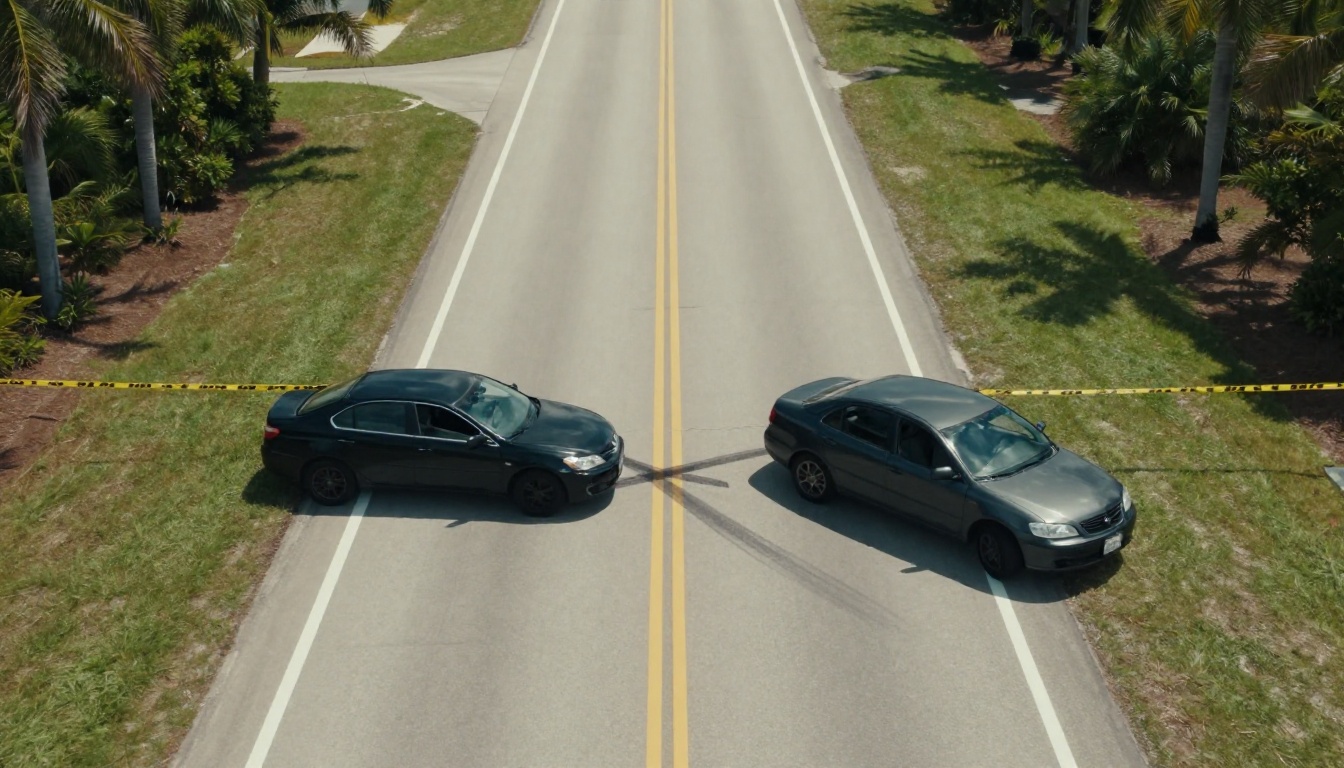
A passing crash takes seconds. The blame fight can drag on for months.
If another driver tried to beat traffic, crossed the center line, or squeezed by where there wasn’t room, your unsafe passing crash claim will turn on proof, not outrage. By the time an adjuster calls, skid marks fade, camera footage disappears, and the other driver’s story often changes.
The good news is that these wrecks usually leave a trail. You need to lock it down early.
Why unsafe passing crash claims turn into proof fights
Unsafe passing is more than a driver drifting left over a double-yellow line. It can also mean passing near a hill or curve, returning to the lane too soon, trying to pass where sight distance is poor, or forcing a car off the road during an aggressive overtake.
Some of these crashes look obvious. Many aren’t. One case may look like a head-on collision. Another may look like a sideswipe. A third may seem like a simple lane dispute until you study the road marks and realize the other driver tried to pass in a bad spot.
Florida’s traffic rules on overtaking and passing sit in Chapter 316 of the Florida Statutes. The state also spells out section 316.085 on passing limitations, which matters when a driver passes near curves, hills, or other no-passing areas.
Most drivers remember the hit, not the setup. Yet the setup often decides fault. Where did the pass start? Was there enough room? Did the passing driver clear your vehicle before cutting back? Those details matter more than a later excuse like, “I thought I had time.”
As of April 2026, the public results reviewed did not show a separate statewide crash count for unsafe passing alone. Still, FDOT is updating its Strategic Highway Safety Plan, and recent Florida reporting showed speeding played a role in 31 percent of fatal crashes in 2025. That doesn’t prove your case. It does show why aggressive driving gets close attention after a serious wreck.
If the pass ended with a center-line crossover, the Florida head-on collision proof checklist can help you spot the same kinds of roadway evidence that often decide fault.
The proof checklist not-at-fault drivers should build right away
Think of crash evidence like chalk on a sidewalk. Rain, traffic, and tow trucks can erase it fast.
Get the road, not just the wreck. Lane lines, no-passing markings, signs, shoulder width, and sight distance often tell the real story.
Start with wide photos and short video before vehicles move, if you can do so safely. Then get closer. A good file shows the whole scene first, then the damage.
This is the evidence that usually carries the most weight:
| Evidence | What it helps prove |
|---|---|
| Wide photos of lane lines, signs, and shoulders | Where the pass began and whether it happened in a prohibited area |
| Final vehicle positions and debris field | The likely point of impact and direction of travel |
| Damage to both vehicles | Whether the passing driver cut back too soon or sideswiped you |
| Witness names and nearby camera locations | Neutral proof when drivers tell different stories |
| Medical records and work-loss proof | That the crash caused real harm, not a later complaint |
The takeaway is simple: strong unsafe passing crash claims tie scene proof to injury proof.
In the first day, focus on a few things:
- Save dashcam footage at once, and back it up.
- Photograph double-yellow lines, broken lines, warning signs, and sight obstructions.
- Get names and numbers for drivers behind you, because they often saw the pass begin.
- Ask nearby businesses or homes about video, since many systems overwrite fast.
- Seek medical care promptly, then keep every bill, visit note, and work restriction.
Don’t lean too hard on the police report. It helps, especially if the officer noted improper passing or wrote a citation. Still, reports rarely capture every camera angle, road mark, or witness detail.
Vehicle damage matters, too. Front-to-side damage may show the passing driver cut in too early. Long scrape marks along the doors may support a sideswipe story. If the crash ended that way, the Florida lane change sideswipe fault guide adds useful context. If the driver whipped around traffic near an entrance lane or narrow merge area, the Florida merge accident proof checklist covers many of the same proof issues.
Mistakes that shrink recovery after an unsafe passing crash
Insurers rarely say, “Our driver made a reckless pass.” More often, they say you sped up, drifted left, failed to brake, or could’ve avoided the hit. That’s why small details matter. A photo of a double-yellow line or a witness who saw the other car swing out near a blind curve can break the tie.
Your own words matter, too. Don’t guess about speed, distance, or timing. Don’t say, “Maybe I could’ve moved,” or “I didn’t see him until the last second.” Those lines can sound like fault admissions later.
Medical timing matters as well. Florida claims often start under no-fault coverage, and treatment gaps give insurers room to question both injury and causation. Keep a short pain log. Save prescription receipts. Track missed work and mileage to appointments. Think of it like footprints in wet concrete. Each step should show when symptoms started and how the crash changed daily life.
Also, don’t let the vehicle disappear before full photos are taken. Repairs, salvage pickup, and cleanup can wipe out strong physical proof. The same goes for phone photos buried in text threads. Store everything in one folder, with dates and short labels that make sense later.
When fault is disputed or injuries are more than minor, fast legal action can help preserve camera footage, vehicle data, and witness statements before they vanish. That can make the difference between a clear claim and a messy argument.
Unsafe passing cases are often won by the driver with the cleanest record, not the loudest story. Road markings, vehicle angles, witness accounts, and prompt medical care make it harder for the other side to rewrite what happened.
If you’re dealing with a disputed Florida passing crash, act while the evidence is still fresh. Proof fades fast.