
VA Higher-Level Review Informal Conference in 2026: What to Expect
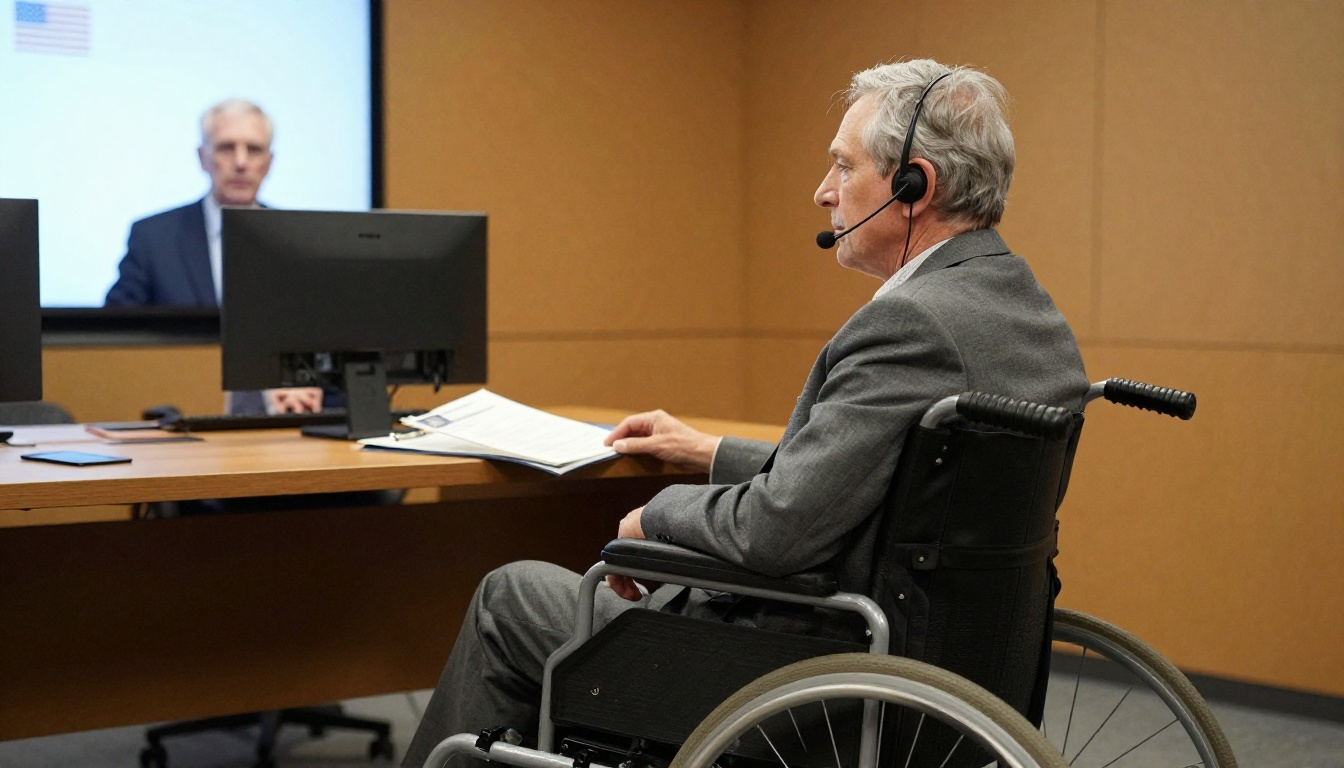
A VA higher-level review can feel like your best shot after a bad decision. Still, the informal conference is often misunderstood.
It isn’t a hearing. It isn’t a chance to send new records. Instead, it’s a short call where you, or your representative, point a senior reviewer to errors already in the file.
That difference matters, because the right strategy can help, while the wrong one can waste time.
When an informal conference helps, and when it doesn’t
A higher-level review works best when the VA had the right evidence but read it the wrong way. Maybe the rater missed a diagnosis already in your treatment notes. Maybe the VA picked the wrong effective date. Sometimes the problem is a rating that doesn’t match symptoms already documented.
In those cases, the conference can help because it gives you a direct line to a more experienced reviewer. The VA has described these calls as an opportunity to speak with the reviewer handling the case, and VA News explains that purpose here.
Still, this lane has a hard limit. You cannot add new evidence in a VA higher-level review. If you need a fresh nexus opinion, new medical records, or new buddy statements, this is usually the wrong option. A supplemental claim may fit better.
The conference is not the place to add proof. It’s the place to show where the VA got the existing record wrong.
Think of it like a replay booth in sports. The video doesn’t change. You only point to the missed call.
That is why preparation starts with the decision letter. Read why the VA denied the claim, then match that reason to evidence already in the file. If you want a fuller breakdown of how this lane works, this VA Higher-Level Review Guide gives a useful overview. If you’re unsure about the no-new-evidence rule, this page on HLR evidence limits in 2026 is worth reviewing before you file.
How scheduling and timing work in 2026
As of April 2026, the basic process has not changed in a major way. You still request the review on VA Form 20-0996, and you select the informal conference option when you file.
After that, the waiting starts. In many cases, scheduling takes about two to three months. The VA may call the number you listed, or send an email or text with a scheduling link. In-person conferences remain rare.
Here’s the quick picture:
| Stage | What usually happens | What you should do |
|---|---|---|
| Filing | You request higher-level review and ask for an informal conference | Double-check your phone number and email |
| Scheduling | The VA may call or send a scheduling link | Watch voicemail, spam folders, and texts |
| Conference | A one-time call, often about 5 to 10 minutes | Keep your notes, claim number, and decision handy |
| Decision | The VA’s HLR goal is about 125 days, though a conference can add time | Track status and respond fast if contacted |
The biggest trap is simple: missing the call. The VA generally makes two attempts. If no one answers, the reviewer can move forward without the conference.
Also, there is only one informal conference per higher-level review. If you have more than one HLR pending, the VA may combine them into one call. That can help, but it also means you need a clean outline for each issue.
Because the conference can add delay, some veterans skip it and rely on written argument alone. That choice can make sense when the error is obvious on paper. If you’re still weighing your options, this guide to the VA appeals process helps compare review paths.
How to prepare for the call and avoid common mistakes
The call is short, so vague arguments usually fall flat. You need a tight plan.
A simple way to prepare is to do these four things in order:
- Read the denial and underline the exact reason the VA gave.
- Pick the best two or three errors in that decision.
- Match each error to a page, record, or exam already in the file.
- End with the result you want, such as service connection, a higher rating, or an earlier effective date.
For example, if the VA denied service connection because it said there was no current diagnosis, your job is to point to the diagnosis already in the record. If the VA gave a low rating, point to symptoms in treatment notes or a C and P exam that fit a higher percentage.
Keep your statements direct. Say where the evidence is. Say what the VA missed. Then say what should change.
Many veterans lose focus because they treat the call like a life story. That makes sense on a human level, but it often hurts the legal point. The reviewer does not need the full history again. The reviewer needs help finding the error.
A few mistakes come up again and again. First, don’t argue from records the VA never had. Second, don’t guess where documents are if you don’t know. Third, don’t rely on memory when the file already has the answer. Also, don’t let a missed call ruin the review. Save unknown numbers, check voicemail often, and confirm contact details before filing.
For many Florida veterans, the hard part is not the phone call itself. It’s turning a thick claims file into a five-minute argument that makes sense. If you want help building that argument, this page explains how attorneys help with VA disability appeals.
One last point matters. If your case truly needs new proof, don’t force it into a VA higher-level review. Pick the lane that fits the facts. The best appeal strategy is the one that matches the record you already have.
A short call can still move a claim in the right direction. But only if every minute points to a clear error.
The strongest VA higher-level review arguments are narrow, organized, and tied to the file. If your denial involves a missed diagnosis, a bad rating, or the wrong effective date, act before the one-year deadline closes.