
Cape Coral Crash Surveillance Video: Getting Store Footage Fast
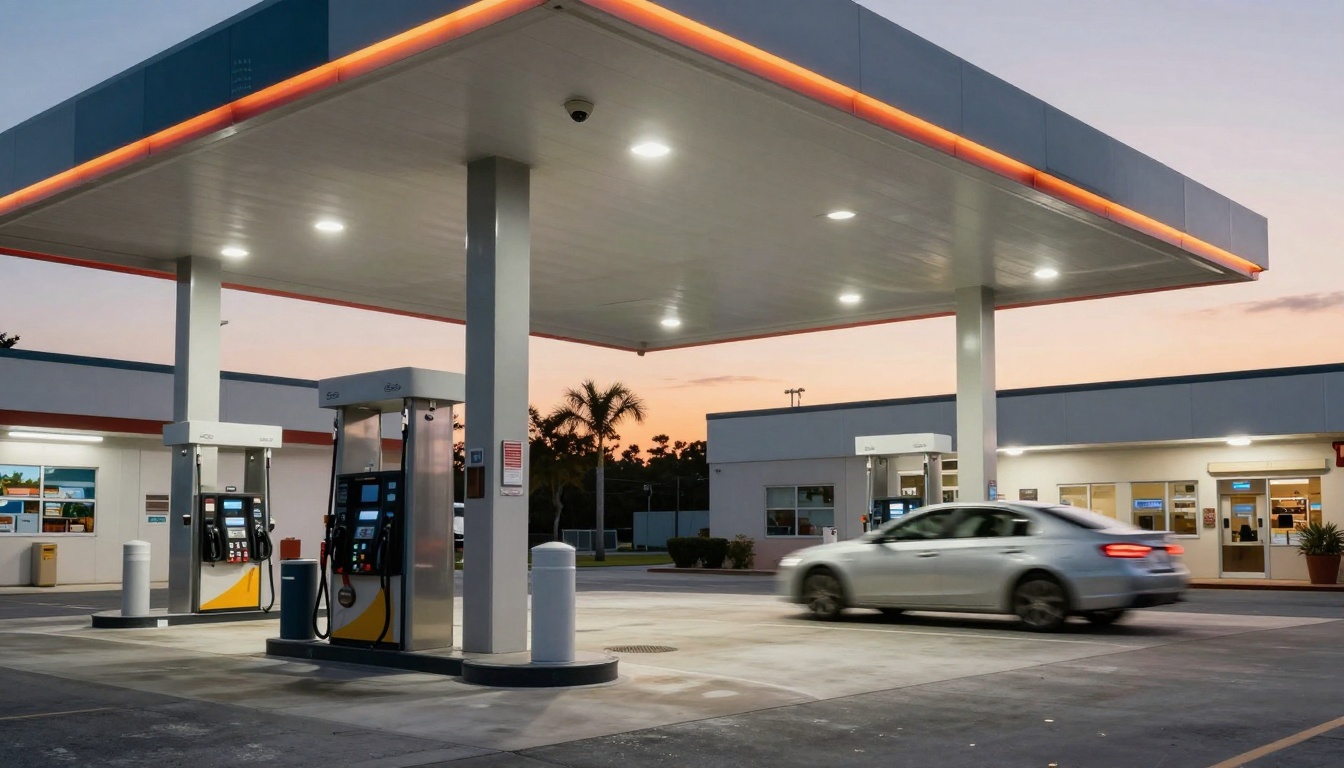
After a Cape Coral car crash, people tend to replay the moment in their head like a movie. The problem is, your memory isn’t the only “surveillance camera footage” that matters. A Cape Coral crash surveillance video from a gas station or nearby store can settle arguments quickly, who had the green light, who drifted, who backed up, who ran. This footage serves as vital car accident evidence.
But camera footage is a perishable item. Many systems overwrite on a short loop, and the staff you talk to today may not be working there next week. The best approach to obtain surveillance video before it is lost is simple: move fast, ask the right person, and say the right things.
Why gas station and store video disappears so quickly
Surveillance systems don’t work like YouTube. Most store cameras record onto a hard drive (DVR/NVR) with a limited video retention period that saves space by overwriting older clips. When the storage fills up, yesterday’s footage becomes overwritten footage recorded over by tomorrow’s. If the business has lots of cameras, high resolution, or 24/7 recording, that overwrite cycle can be even faster.
There are also practical reasons the footage can vanish even if the system still has it:
The camera might not have captured what you think. Gas station surveillance often has cameras aimed at the register, pump islands, and storefront doors, not the roadway. You may need a corner camera that catches the parking lot entrance, not the pump camera above the card reader.
Clips get missed because of timing. If you only say “around 6,” the person searching might pull 6:00 p.m. to 6:05 p.m., while the crash happened at 5:47 p.m. or 6:12 p.m. You want a time window, not a single minute.
Employees don’t know how to export video. Even a helpful manager may not know the system password, how to burn a disc, or how to send a file. Some systems need a special player file to view the clip.
Privacy concerns slow people down. Businesses worry about sharing video that shows customer faces, license plates, or employee activity. If you come in angry or demanding, they may shut down and say “corporate policy” ends the conversation.
If you’re still in the early aftermath of the crash, it helps to take care of the basics too. This guide on immediate actions after a Cape Coral car accident covers steps that often tie directly into gathering insurance claim evidence, like getting the right time, location, and report information.
Find the right camera, and the person who controls it
Before you ask anyone for footage, get clear on what you’re actually requesting. Think like a camera mounted on a wall. What could it see?
Start with two quick tasks:
- Identify camera locations and property details. If the crash happened near the driveway entrance, you want the camera that faces that driveway. If it happened on the side street, you want the side wall camera.
- Write down a tight time range. Use a 30 to 60-minute window (example: 5:30 p.m. to 6:30 p.m.). Pull the time from your 911 call log, photos, dashcam footage, tow receipt, or the officer’s estimated time of crash.
Next, figure out who you’re dealing with. The person behind the counter usually can’t approve a video release. You want the person who can say yes and can act today.
Here’s a practical cheat sheet:
| Location type | Who to ask first | What you’re asking them to do |
|---|---|---|
| Gas station (major brand) | Store manager, then corporate risk or loss prevention | Preserve the clip, export a copy |
| Convenience store (local) | Owner or manager on duty | Preserve the clip, share copy |
| Shopping plaza store | Store manager plus plaza property owner | Identify which camera saw the roadway |
| Restaurant near crash | General manager | Preserve parking lot or entrance camera view |
If police responded, ask the responding officer from the Cape Coral Police Department (or records unit) whether they plan to request nearby video. Police involvement might result in police body cam video being available later. Law enforcement requests can carry more weight with businesses, including private property owners, but it still helps when you do your own outreach.
For context on how businesses often handle law enforcement requests, see police requests for security camera footage. It’s written for camera owners, which is useful because it shows what the other side is thinking.
Who to ask, what to say, how to move the request forward, and when to send a formal written request
Your goal is preservation first, copy second. If you can’t get the file today, you still want someone to lock it down so it doesn’t get overwritten.
The fastest approach: in person, calm, and specific
Go to the store during a quieter time if possible. Ask for the manager by name if you can. Keep it short, polite, and detailed.
A simple script works:
“Hi, I was in a crash right outside your entrance on Pine Island Road on January 20 around 5:50 p.m. Your business surveillance cameras may have captured store surveillance video of it. I’m asking if you can preserve the surveillance camera footage from 5:30 to 6:30 and let me know the best way to request a copy for my insurance claim. I can provide the case number and my contact info.”
If they ask “Why do you need it?” keep it clean:
“It’s to document what happened and help the insurance companies sort it out.”
If they say they can’t release it, pivot without arguing:
“I understand. Could you at least save it so it doesn’t get overwritten? If you need something in writing, I can email a preservation request today.”
What details to give them (and what not to overshare)
Give:
- Date of crash
- Exact location (driveway, intersection corner, pump row)
- Time window (30 to 60 minutes)
- Police case number (if you have it)
- Vehicle descriptions (color, make, direction of travel)
Don’t give:
- A long story
- Fault guesses (“the other driver was drunk”)
- Medical details
- Threats about lawsuits
If they’re cooperative, ask for the export the right way
Many videos aren’t useful if they’re shaky phone recordings of a monitor. Ask if they can export:
A digital copy of footage (USB, email link), with the timestamp visible, covering a few minutes before and after the impact. If the crash happened off the property, request the angle that shows the approach, braking, lane change, or turn, not just the impact.
If they want payment for staff time or a disc, document it and keep receipts.
If they won’t help, switch to preservation and escalation
Some businesses won’t release video to private individuals. That’s common. Your next step is to lock down the evidence.
A preservation letter (also known as a spoliation letter) should include:
- Your name, phone, email, and mailing address
- The crash date, time range, and exact location
- A clear request to preserve all surveillance camera footage from relevant cameras
- A request to preserve related data (system logs, export history) if available
- A request for confirmation in writing
If injuries are involved, it’s smart to consult a car accident lawyer quickly. A car accident lawyer can help establish liability for your personal injury claim by issuing a subpoena for video when needed. Video tends to matter more when the insurance dispute gets serious. These resources can help you understand the bigger picture after a wreck, including what documentation supports a claim:
- Steps to take after a car accident in Cape Coral
- Common car crash injuries in Florida
- Cape Coral car crash settlement timeline
In many cases, the only way to compel production from a private business is through formal legal process (often a subpoena issued in a lawsuit). That’s one reason speed matters, you want the surveillance camera footage preserved long before paperwork starts.
Mistakes that cost people surveillance footage
The most common problem is waiting a week because “the insurance company will handle it.” Sometimes they will, sometimes they won’t, and the surveillance camera footage may be gone either way, as it is often lost within days.
Other mistakes that hurt:
Being vague about time. A broad “sometime after work” request is easy to ignore and hard to search.
Asking the wrong person. The cashier may be friendly, but they rarely control exports.
Acting hostile. If the manager feels blamed, the conversation usually ends.
Requesting only the video of the crash. Ask for time before and after. The lead-up often shows fault.
Not writing it down. If they refuse a copy, get the name of the person you spoke to and the date and time of the conversation.
Securing car accident evidence is the victim’s best protection.
Conclusion
A gas station camera can be a quiet witness, but it won’t wait around. If you need Cape Coral crash surveillance video, act like the footage expires, because many systems do. Go in person, ask for the manager, request preservation first, and be precise about time and location. If the business won’t release it, shift to a written preservation request. If store video is unavailable, look for traffic camera footage via a public records request or FOIA request. A car accident lawyer can also help retrieve police body cam video from the Cape Coral Police Department. Get legal guidance before the surveillance camera footage disappears for good.