
Rear-End Collision in Cape Coral With Minimal Car Damage: How to Prove You Are Still Hurt
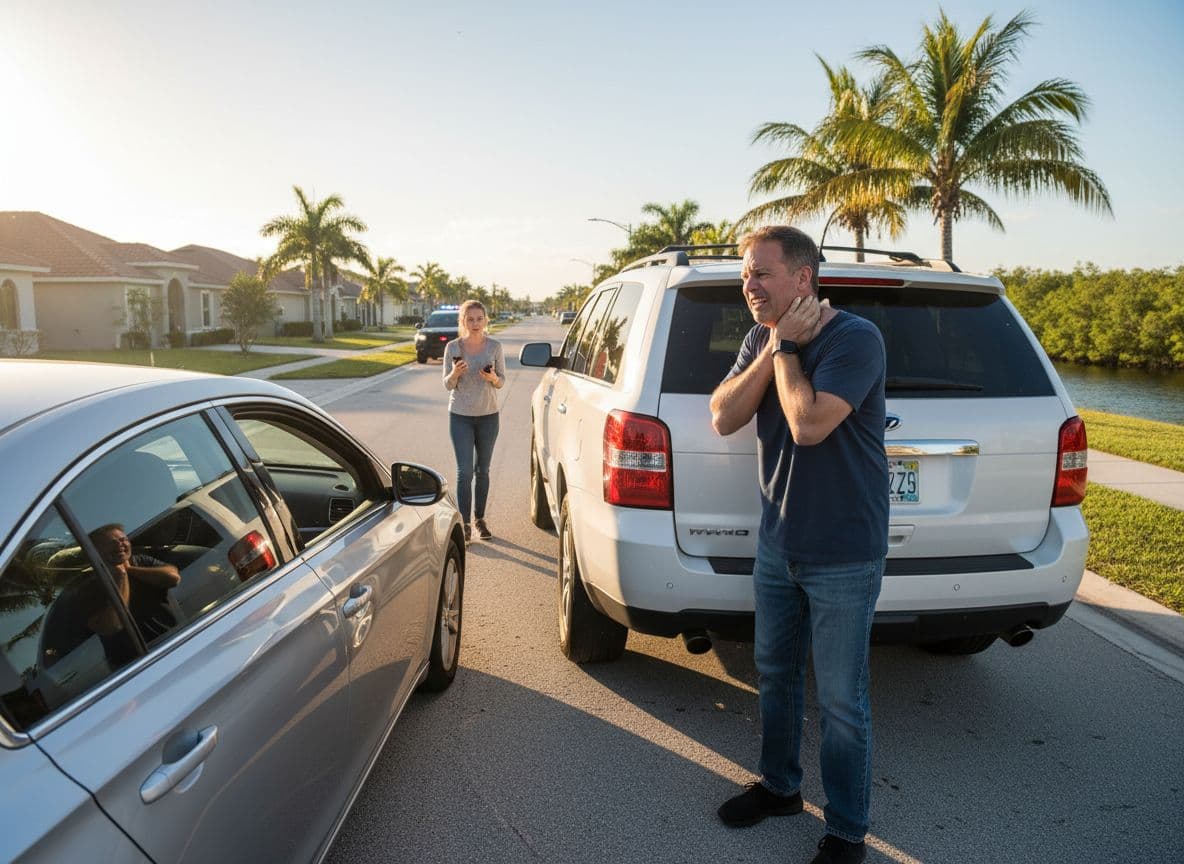
You get tapped from behind at a light in Cape Coral. The bump feels small, your bumper barely creased, and the other driver shrugs and says, “It’s nothing.”
But your neck starts tightening that night. A few days later, you are waking up with headaches and shoulder pain.
If this sounds familiar, you are not alone. A rear end collision cape coral case can cause real injury even when the cars show little damage, and insurance companies often point to the clean photos to argue you could not be hurt. This guide explains how to protect yourself, build proof, and when to bring in a personal injury attorney.
Why “Minor” Rear-End Crashes Still Cause Major Pain
Modern bumpers are built to stay stiff in low-speed impacts. That protects the car’s bodywork, not your spine.
When a vehicle hits you from behind, your seat suddenly pushes your torso forward while your head lags behind. That snap can stretch muscles, ligaments, and discs in your neck and back. Doctors call this whiplash, and it happens often in low-speed rear-end crashes.
Common injuries from a low-damage rear-end crash include:
- Neck and back sprains or strains
- Disc injuries and nerve irritation
- Concussions and headaches
- Shoulder and jaw pain
You can read more about common car crash injuries in Florida to see how often these problems show up even when vehicles are still drivable.
Age, prior injuries, and even your sitting position at the time of impact all affect how badly you are hurt. Two people in the same crash can walk away with very different symptoms.
First Steps After a Rear-End Collision in Cape Coral
What you do in the first hours and days after the crash can make or break your case.
Call 911 and get a police report
Even when the damage looks small, ask for law enforcement. The officer’s report records:
- Where and when the crash happened
- Who was involved
- Visible damage and any early complaints of pain
If you later need to prove the collision caused your injuries, that report is a key starting point.
Get checked by a doctor right away
In Florida, your Personal Injury Protection (PIP) coverage usually pays your first medical bills, but only if you get evaluated within 14 days of the crash. Waiting weeks to see a doctor lets insurers argue that something else caused your pain.
Go to an ER, urgent care, or your primary doctor and describe every symptom, even if it seems small. Stiff neck, mild dizziness, tingling in a hand, trouble sleeping, all of it matters.
For a more detailed checklist of early steps, see this guide on what to do immediately after a car accident in Cape Coral.
Watch what you say at the scene
Avoid saying “I’m fine” or “It was my fault.” In the stress of the moment, many people downplay their pain to be polite. Those words may show up later in an adjuster’s notes as “no injury reported.”
Stick to the facts about what happened. If you feel any discomfort, say so.
Building Proof When Your Car Shows Little Damage
Insurers often argue “low impact, no injury.” Your job is to replace that slogan with real evidence.
1. Medical records and consistent treatment
Doctors and medical records are the backbone of your claim. They show:
- You reported pain soon after the crash
- Your symptoms match the type of collision
- The treatment plan was reasonable and necessary
Follow through with recommended care, such as physical therapy or imaging. Long gaps in treatment give insurers an excuse to say you healed, then got hurt some other way.
2. Evidence from the crash scene
Even in a low-speed rear-end collision, details at the scene help your case:
- Photos of both cars from several angles
- Close-ups of any bumper misalignment, trunk gaps, or cracked paint
- Pictures of your headrest position and seatback
If there were witnesses, get their names and contact details. A simple statement like, “The impact pushed her car several feet forward” can undercut the “just a tap” narrative.
Here is a quick overview of useful proof:
| Evidence type | What it shows |
|---|---|
| Medical records | Injury type, timing, and link to the crash |
| Photos and videos | Impact, positions of vehicles, and visible damage |
| Police report | Independent record of the collision and early symptoms |
| Work and pay records | Missed time, reduced hours, and financial impact |
| Pain and activity journal | How the injury affects sleep, chores, hobbies, and family |
3. Your story of daily life changes
Pain that does not show up on an X-ray can still change your life. Keep a simple journal:
- When the pain is worst
- Tasks you now need help with
- Missed events, overtime, or sports
- Trouble driving, focusing, or caring for children
Your own clear, honest story helps a jury or adjuster understand that you are more than a set of images and billing codes.
Florida Insurance Rules And Why They Matter
Florida uses a no-fault system for most car crashes. That affects how a rear end collision Cape Coral case moves forward.
Personal Injury Protection (PIP)
PIP usually covers up to $10,000 of medical bills and part of lost wages, no matter who caused the crash. To tap into that coverage:
- Get medical care within 14 days
- Follow through with recommended treatment
- Keep all bills and receipts
You can learn more about how PIP works after a Cape Coral car accident, including when you can step outside the no-fault system and pursue the at-fault driver.
Stepping outside no-fault
If your injuries are serious, Florida law may allow you to make a claim against the driver who hit you for:
- Pain and suffering
- Future medical care
- Full lost income and loss of earning ability
Neck and back injuries from a “minor” rear-end crash can meet this standard when they cause long-term pain, limited motion, or nerve problems. Strong medical evidence and clear daily-life impact become even more important in those cases.
Deadlines and recent law changes
Most car crash injury lawsuits in Florida now have a two-year deadline. If you wait too long to speak with a lawyer, you may lose your right to sue, even if your case is strong. Acting early also helps lock in evidence, such as store camera video or vehicle data, before it disappears.
How a Personal Injury Attorney Helps Prove Your Injury
You are not required to hire a lawyer, but a seasoned personal injury attorney can shift the balance when an insurer insists that “no damage means no injury.”
Here is how an attorney can help in a rear-end collision Cape Coral case:
- Investigate the crash: Gather photos, video, electronic data, and witness statements to show the true force of impact.
- Work with your doctors: Request detailed reports that explain how the crash caused your injuries and why your treatment makes sense.
- Handle the insurance company: Take over calls, letters, and negotiations so you are not pushed into a low offer.
- Calculate full losses: Look beyond today’s bills to future care, ongoing pain, and lost earning power.
- Prepare for trial if needed: Build a clear story a jury can understand, from impact mechanics to daily-life changes.
Firms like Avard Law Offices handle rear-end crash claims on a contingency fee basis, which usually means you do not pay attorney fees unless there is a recovery. That lets you focus on healing while your legal team focuses on the case.
Conclusion: Do Not Let “Minor” Damage Erase Your Injury
A clean bumper does not prove a clean bill of health. Low-speed rear-end crashes in Cape Coral can leave you with real, lasting injuries, even when the photos look harmless.
By getting prompt medical care, documenting every detail, and gathering strong evidence, you can show that your pain started with the collision, not somewhere else. An experienced personal injury attorney can pull those pieces together and stand between you and an insurance company that wants to close the file fast.
If you are hurting after a rear-end collision and feel like no one believes you, take the next step: get informed, protect your rights, and talk with a lawyer who understands how to prove what others cannot see.